Buying A Historic Home In Morningside: Key Considerations
June 11, 2026
June 11, 2026
Thinking about buying in Morningside? A historic home here can offer real architectural character and a setting that feels distinct from much of newer Miami, but it also comes with rules, review standards, and renovation considerations that can shape your budget and timeline. If you are weighing charm against flexibility, this guide will help you understand what matters most before you buy. Let’s dive in.
Morningside is one of Miami’s most intact historic neighborhoods. The City of Miami describes it as the city’s best surviving example of a Land Boom-era suburb, with the district generally located between Biscayne Boulevard and Biscayne Bay from NE 55th Street to NE 60th Street.
The neighborhood was built from 1925 forward, designated in 1984, and listed in the National Register of Historic Places in 1992. For you as a buyer, that means you are not simply purchasing an older home. You are buying in a preservation-sensitive historic district where exterior appearance, materials, and context play an important role.
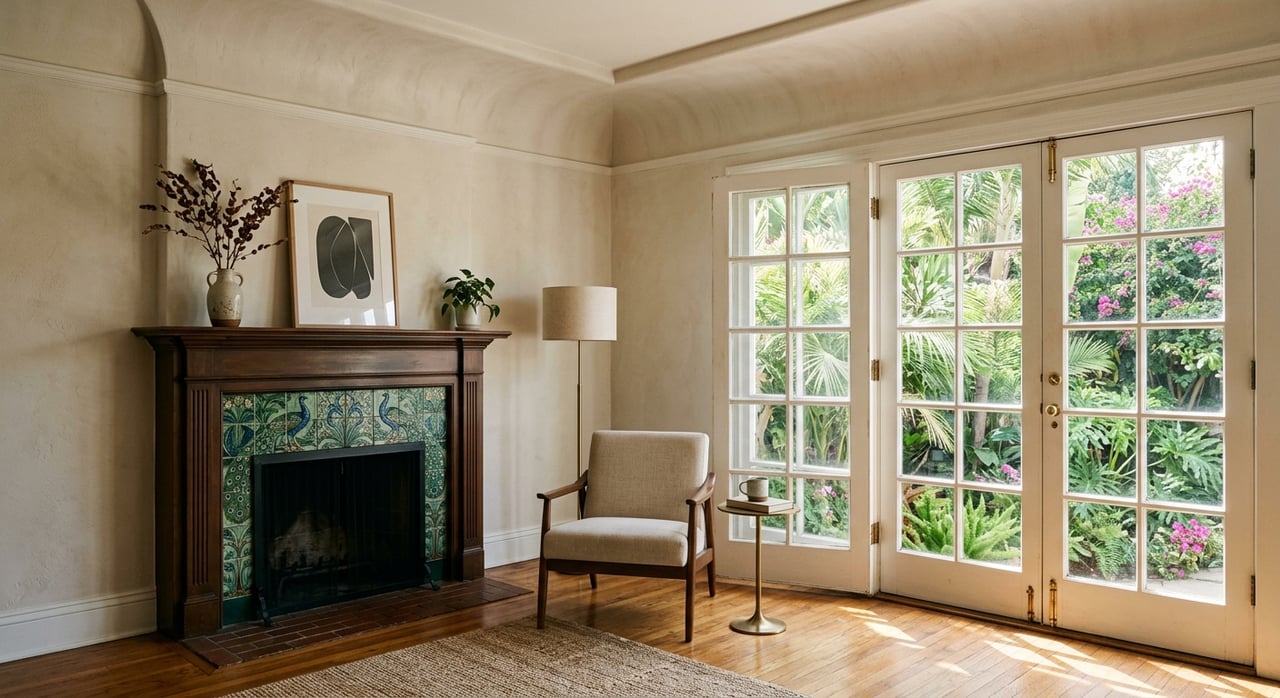
Morningside is also known for wide, tree-lined streets, mature tropical landscaping, and a notable mix of Mediterranean Revival, Art Deco, and vernacular homes. That historic identity is a major part of its appeal, and it is also the reason renovation decisions tend to require more care here than in a non-designated neighborhood.
One of the first things to understand is that historic status can directly affect what you may change after closing. In Morningside, exterior work on a designated historic property often requires review by the City of Miami through a Certificate of Appropriateness, also called a COA.
This requirement applies to changes that affect exterior appearance, including alterations, additions, new construction, and demolition. Standard building permits may still be required as well, so historic review is an added approval layer rather than a substitute for the normal permitting process.
Before you make an offer, it is smart to verify whether the home is individually designated or considered a contributing property within the district. The City provides a zoning mapping tool for historic status, and that early check can help you understand the likely approval path for future work.
If you are planning visible exterior updates, assume you should investigate review requirements early. Projects involving the facade, roof, windows, additions, or demolition are the types of changes most likely to receive preservation scrutiny.
Some minor work, including certain roof replacements or window-related repairs, may be reviewed at the staff level. Larger or more consequential projects generally go through Special COA review by the Historic and Environmental Preservation Board.
That timeline matters. The board meets monthly, and the ordinance allows up to 60 days for board action on an application, so buyers planning near-term renovations should build that into their schedule from the start.
For many buyers, the good news is that interior work is often simpler than exterior work. Most interior repairs and most interior alterations do not require historic approval.
There is an important exception. Some properties may have separately designated interior spaces, so you should never assume complete freedom without confirming the home’s specific status.
As a practical matter, this often makes interior modernization the more straightforward path. If your goal is updated kitchens, baths, systems, or finishes, you may have more flexibility there than you would with exterior redesign.
Morningside’s housing stock reflects early-to-mid 20th-century Miami residential design. That means the homes can feel very different from contemporary construction, both visually and functionally.
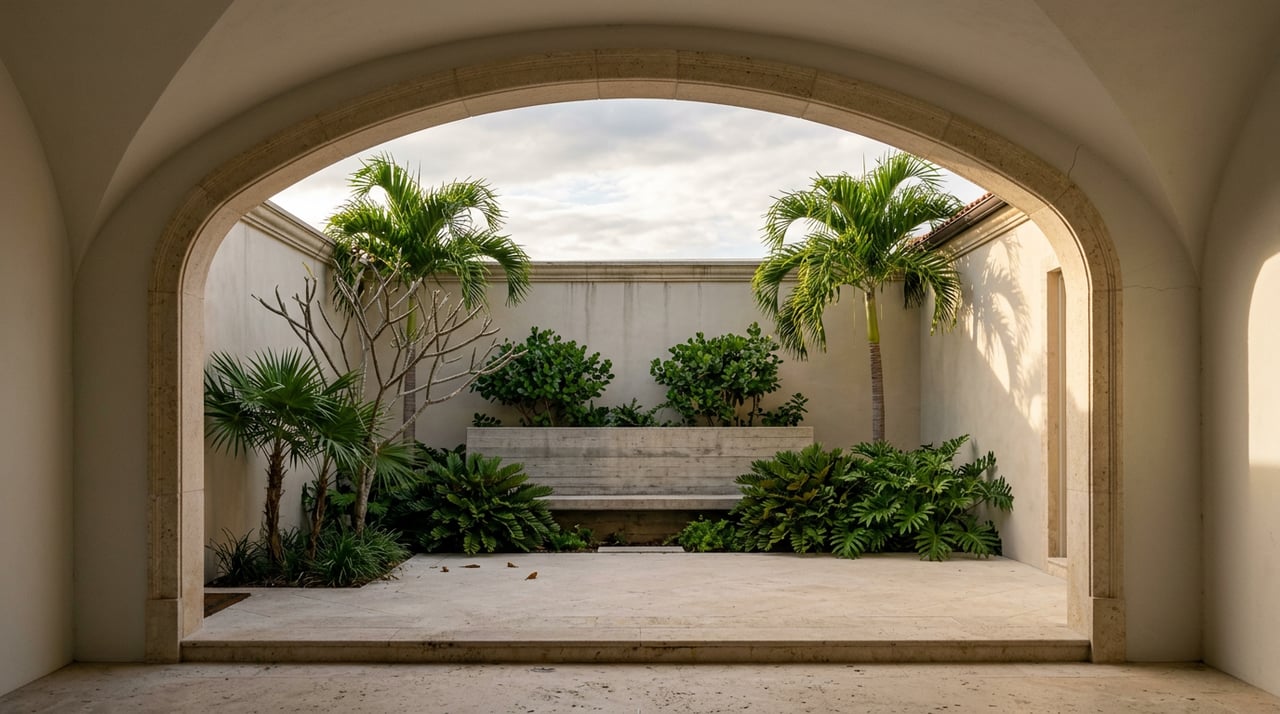
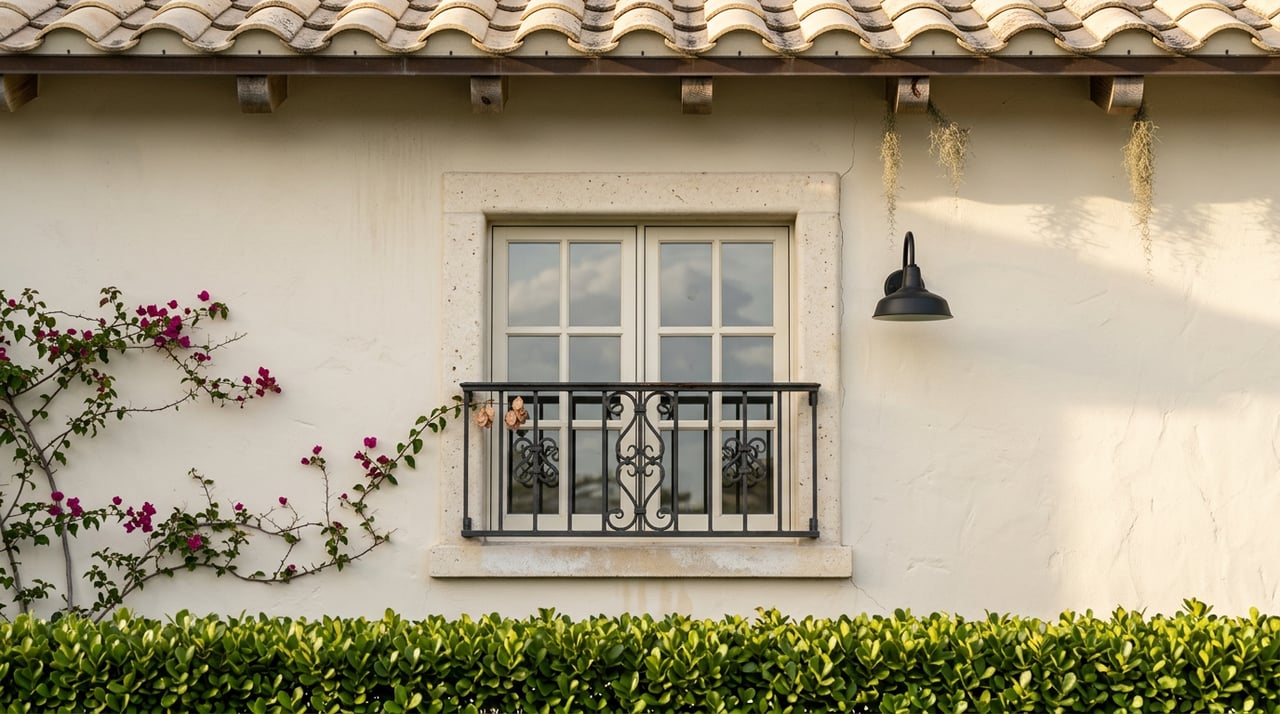
Mediterranean Revival homes in the district commonly feature stucco walls, red tile roofs, wrought iron details, arches, wood brackets and balconies, and patios or loggias. Frame vernacular and bungalow types are often one or one-and-one-half stories with front porches, gabled or hipped roofs, overhanging eaves, horizontal siding or wood shingles, and double-hung sash windows.
The district also includes Art Deco and other vernacular houses, so the streetscape can change from block to block. For you, that stylistic mix can be a major advantage if you value individuality and architectural character.
Because these homes were designed in an earlier era, layouts may not mirror what you would find in newer construction. Buyers often encounter smaller, more compartmentalized rooms and a stronger focus on porches, courtyards, or outdoor-oriented living areas.
That does not make one option better than the other. It simply means you should evaluate how the home lives day to day, not just how it looks in photos.
If you prefer a fully open layout and broad freedom to rework the exterior, a historic property may require more compromise. If you appreciate original details and a more established architectural setting, Morningside may offer exactly what you are looking for.
In Morningside, successful updates usually work with the home’s historic character rather than against it. The district guidelines emphasize repair in kind and compatible materials, especially for roofs and windows.
For roofs, the standards favor compatible tile materials such as barrel clay tile for barrel roofs and flat clay or composition for flat roofs. Asphalt shingles, metal, and other nonmatching roof materials are listed as not recommended or not acceptable in the district guidelines.
For windows, the standards favor repair first, followed by in-kind replacement with wood or acceptable aluminum or steel casements. Changes such as altering window sizes or replacing historic windows with single-light or sliding units are discouraged.
Historic ownership can affect cost in ways that are not always obvious at first glance. Materials may need to be more compatible with the original architecture, and certain exterior improvements may involve a more detailed design and approval process.
That does not automatically mean every project will be more expensive. It does mean you should budget with more precision, especially if the property needs exterior work that must align with district standards.
The best approach is to evaluate the likely scope before closing. If you know you want to replace windows, modify the roof, or add square footage, those plans should be part of your financial analysis from the beginning.
Some buyers may be able to offset costs through preservation-related programs. The City of Miami operates a historic preservation grant program for eligible properties, with assistance up to $75,000 depending on property needs and available funding.
Miami-Dade County also offers a historic-preservation ad valorem tax exemption for qualifying designated properties. Eligibility is property-specific, so these benefits should be confirmed early rather than assumed.
If a home qualifies, these programs can materially improve the long-term economics of ownership. They are especially worth exploring if you are purchasing a property that may need historically appropriate repairs or restoration.
When buying a historic home in Morningside, finishes tell only part of the story. A more useful starting point is the home’s paper trail.
Ask for permit history, prior COAs, and records of earlier alterations before closing. Those documents can help you understand what has already been approved, what may have been changed over time, and whether future work could face constraints based on past decisions.
This is especially important if the property has been renovated before. A polished appearance does not always tell you whether past work followed the relevant approval process, and that can matter later if you seek new permits or approvals.
A historic purchase in Morningside usually benefits from more than a standard inspection alone. In addition to a general home inspector, it is often wise to involve a contractor, architect, or designer with experience in historic properties and local review standards.
That kind of guidance can help you distinguish between cosmetic preferences and true preservation issues. It can also help you estimate the scope, timing, and feasibility of any work you are considering.
For a higher-value purchase, this step supports better decision-making. It gives you a clearer picture of whether the home fits both your lifestyle goals and your renovation plans.
If you are comparing Morningside with a newer neighborhood, the tradeoff is usually straightforward. Morningside offers established historic character, mature landscaping, and a distinct architectural setting, while newer construction often offers more contemporary floor plans and greater freedom to alter the exterior.
Neither choice is universally better. The right fit depends on how you weigh design character, flexibility, timeline, and long-term ownership goals.
For buyers who value context, architecture, and a sense of place, Morningside can be especially compelling. For buyers who prioritize easy exterior changes and a more modern layout, newer construction may feel more convenient.
Before moving forward on a historic home in Morningside, keep these questions front and center:
Clear answers to these questions can help you avoid surprises and move forward with confidence.
A well-bought historic home can offer lasting architectural value and a very different ownership experience from newer inventory. If you are considering Morningside, the key is to approach the purchase with careful due diligence, realistic planning, and a clear understanding of how preservation rules shape both opportunity and responsibility. For tailored guidance on Miami real estate decisions, connect with Four Corners Real Estate.
Stay up to date on the latest real estate trends.
Ready to find your next investment or dream home? Whether you’re building a portfolio or looking for the perfect residence, we’re here to deliver clarity, strategy, and results.