What Living in Miami Shores Offers: Parks, Bay Access
Miami Shores Real Estate Four Corners Real Estate May 28, 2026
Miami Shores Real Estate Four Corners Real Estate May 28, 2026
If you are looking for a Miami neighborhood that feels established, green, and connected to the water without losing everyday convenience, Miami Shores deserves a closer look. You may be drawn to its architecture, curious about its parks, or wondering how public bay access shapes daily life and housing choices. This guide will help you understand what stands out about Miami Shores and what to consider if you are thinking about buying there. Let’s take a closer look.
Miami Shores is a planned village in northeastern Miami-Dade County that was incorporated in 1932. According to the village profile, it is a predominantly single-family residential community with wide, tree-lined streets, small-scale commercial corridors, and a limited number of multifamily dwellings and townhomes.
That setting helps explain why Miami Shores often feels distinct from denser parts of Greater Miami. The village sits on Biscayne Bay and maintains a small-town atmosphere while still offering access to Miami, Miami Beach, and the broader region.
One of the clearest reasons people are drawn to Miami Shores is its architectural variety. The village’s development was explicitly linked to Italian-inspired design in a water-oriented landscape, which still shows up in the area’s visual character today.
Over time, the housing stock expanded beyond those early influences. Village materials describe a mix that includes Mediterranean Revival, Art Deco, and Mid-Century Modern homes, along with later ranch-style and minimal traditional residences that appeared in the postwar decades.
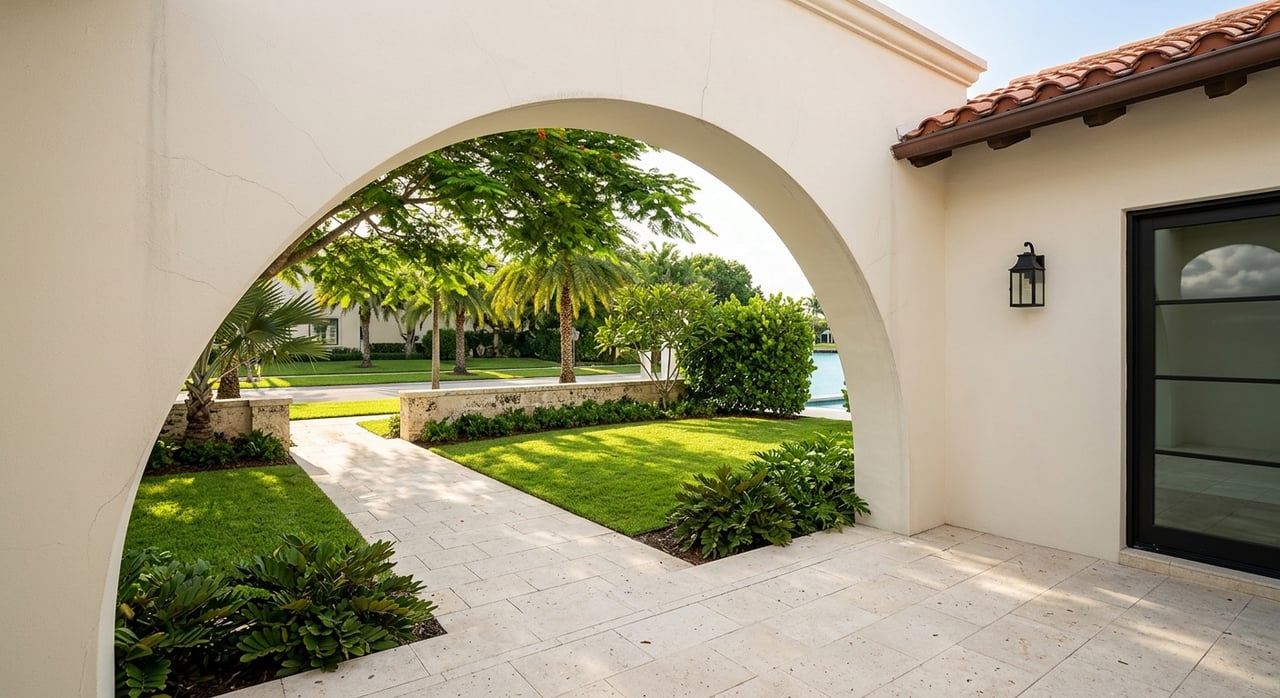
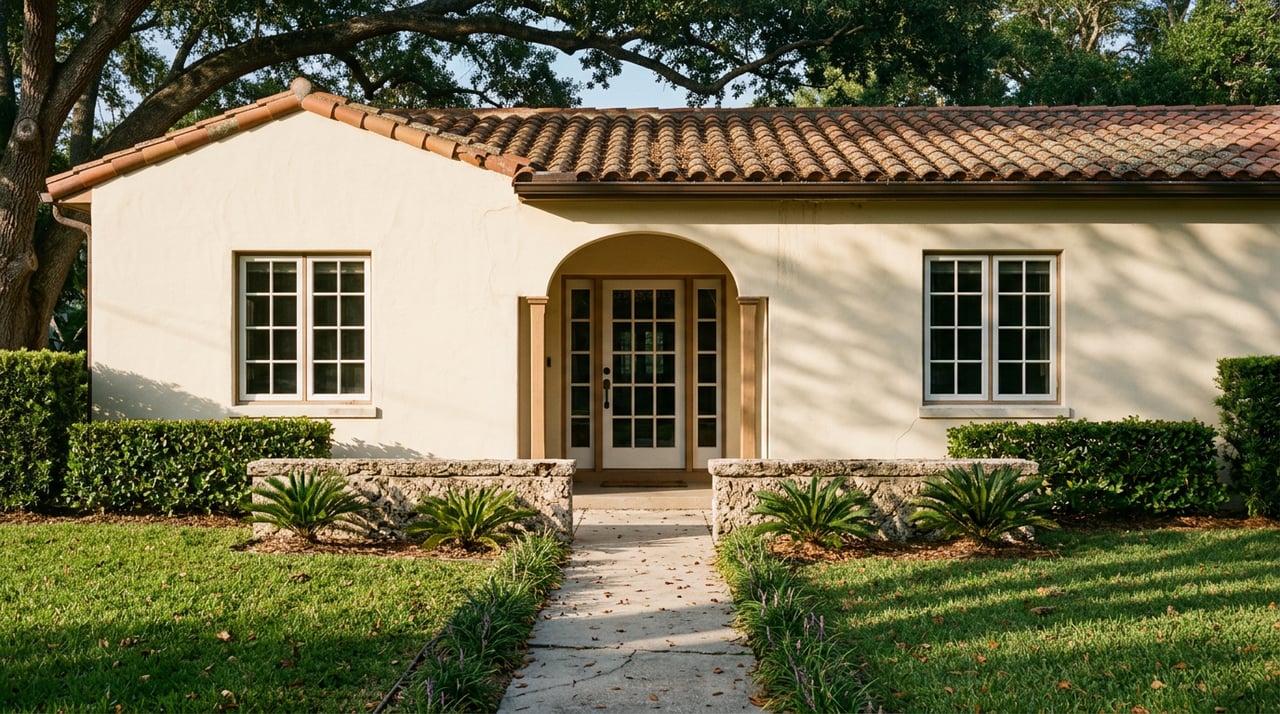
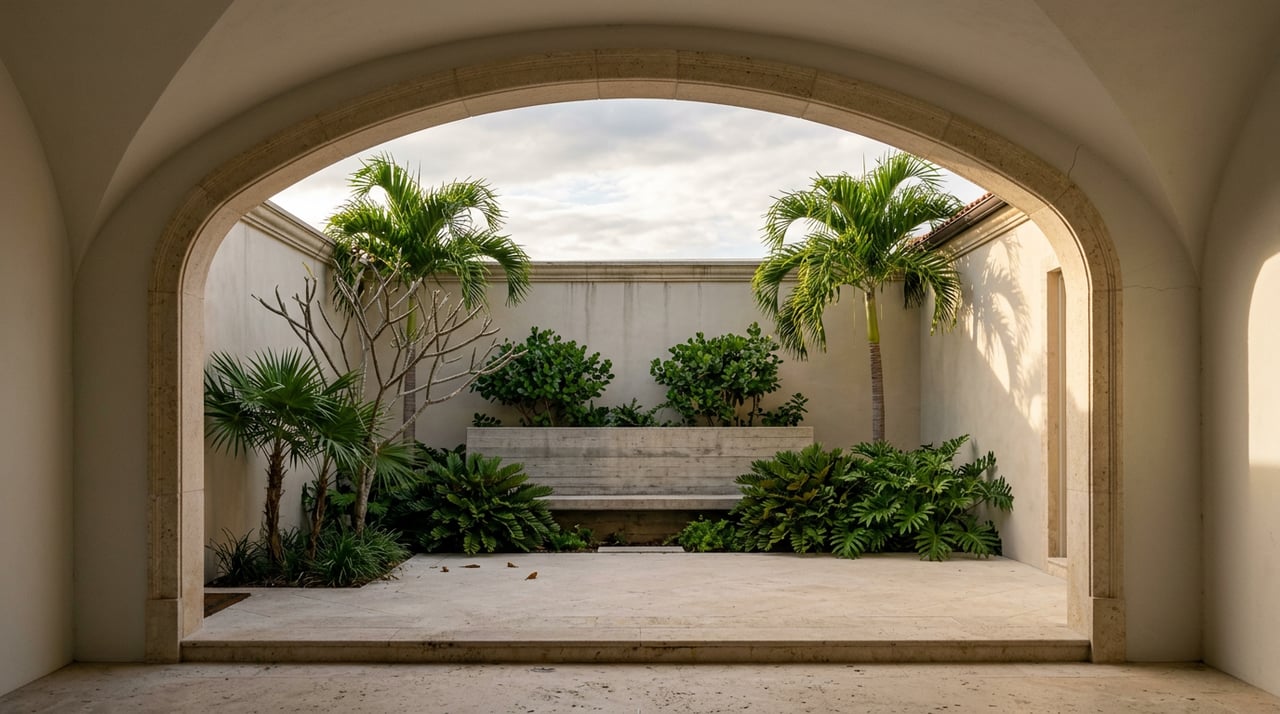
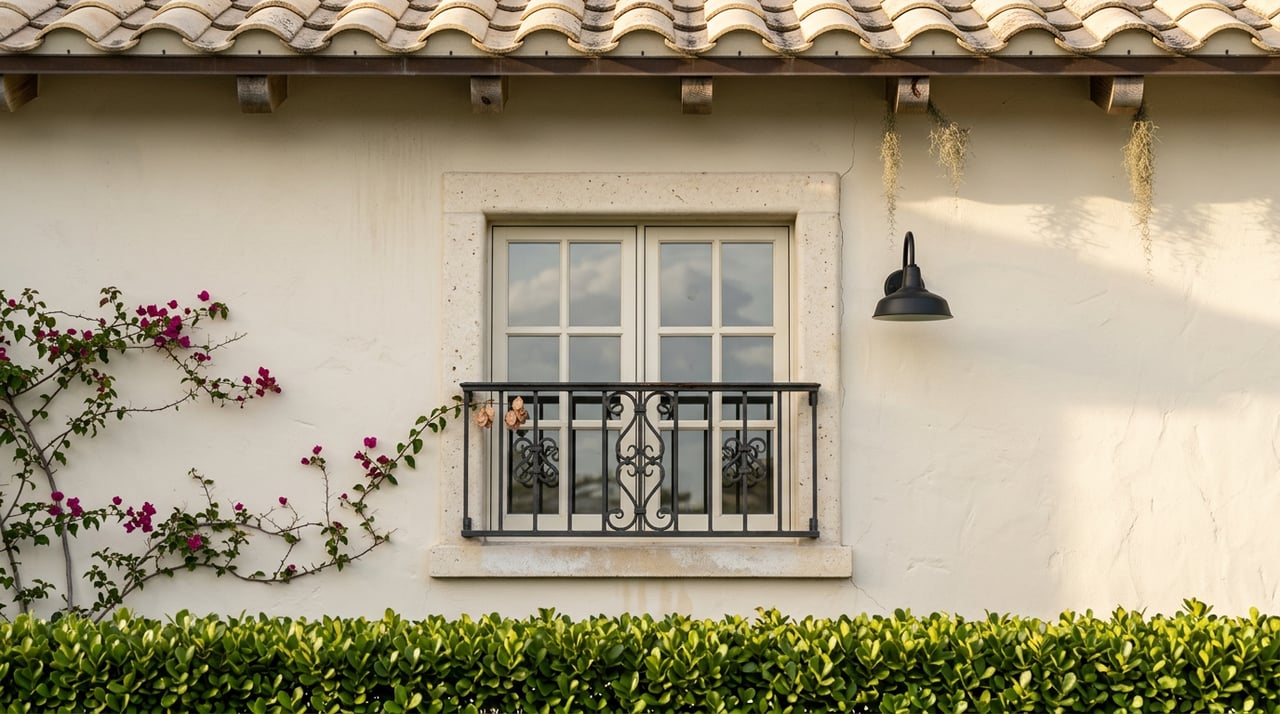
Mediterranean Revival remains a defining part of Miami Shores’ identity. If you enjoy features like stucco exteriors, arches, tiled roofs, and a strong connection between indoor and outdoor space, you will likely notice that influence throughout the village.
These homes help give Miami Shores a sense of continuity. Even as styles changed over the decades, the original design vision still contributes to the neighborhood’s overall look and feel.
Miami Shores is not limited to one architectural era. The village also points to clean-lined Mid-Century residences, ranch-style homes, and minimal traditional homes, which means buyers can find a wider range of layouts and design expressions.
That variety can be especially helpful if you want options. Some buyers prefer historic character, while others are more interested in simpler postwar floor plans or a Mid-Century aesthetic with strong indoor-outdoor potential.
Miami Shores also has an active preservation framework. The Historic Preservation Board says that more than forty village homes have been designated by the Village Council, and homes are reviewed for historical significance based on design, setting, workmanship, and related criteria.
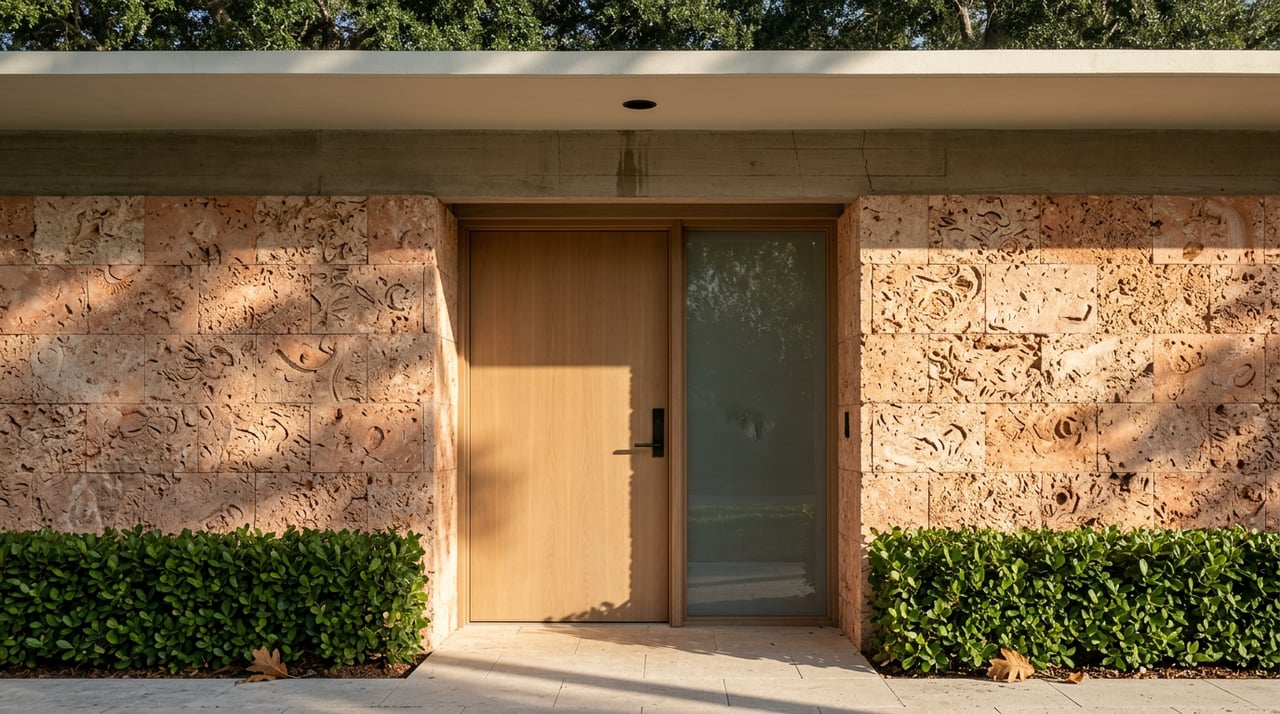
A local example is the Edwin Reeder House, which the village describes as a 1950 Mid-Century Modern Tropical Style design. For buyers, that preservation focus signals that architectural character is not accidental here. It is part of the village’s long-term identity.
For a primarily residential village, Miami Shores offers a notably broad recreation system. The village lists facilities that include the Aquatic Center, Athletic Fields, Bayfront Park, the C. Lawton McCall Community Center, Dog Park, Tennis Center, and Tot Lot Park.
That range matters because it supports more than just weekend use. The parks and recreation department says it offers more than 40 recreation classes each week, along with youth, adult, senior, and after-school programming.
In Miami Shores, parks are part of the village’s civic rhythm. Rather than serving as isolated amenities, they help shape how residents spend time outdoors, connect with local programming, and use shared public space.
If you are comparing neighborhoods, this can be a meaningful distinction. A strong public recreation system often adds to day-to-day livability, especially if you value walkable routines, structured activities, and accessible outdoor options close to home.
When people ask about bay access in Miami Shores, Bayfront Park is the clearest public answer. The village describes it as a 900-foot waterfront linear park along the Biscayne Bay Intracoastal waterway with bay views, a walking path, and water fountains.
That gives Miami Shores a public-facing connection to the water that is easy to understand. Even if you do not live directly on the bay, you can still enjoy a waterfront setting as part of the village experience.
Public waterfront access changes how a neighborhood feels. In Miami Shores, the bay is not only something viewed from select private homes. It also shows up in shared civic space through Bayfront Park and the village’s waterfront stewardship efforts.
The village says park improvements include a higher seawall, and a Florida Inland Navigation District grant requires waterfront access for visitors. That reinforces an important point: Miami Shores’ relationship to Biscayne Bay includes public use, not just private frontage.
Because Miami Shores is predominantly single-family and sits along the bay, buyers can encounter different living environments within the same village. Some homes are on quieter inland streets, while others are more closely tied to water-adjacent conditions.
That range can be appealing if you want to balance lifestyle and property goals. You may prioritize a leafy residential setting, architectural character, or proximity to the bay, depending on how you plan to use the home.
If you are considering a home near Biscayne Bay, site-specific due diligence matters. The village’s flood information notes that some areas along the bay fall within coastal high-hazard VE/V zones, where wave action and elevation requirements can be more significant than they are inland.
For buyers, this does not mean waterfront property is off the table. It means the details of a specific site matter, especially when you are evaluating long-term ownership costs, construction standards, and resilience planning.
Miami Shores offers more than residential streets and parks. The village profile says residents participate in local boards, town meetings, and civic associations, and the village provides open application pathways for boards and committees.
That level of engagement helps explain why the village often feels active without feeling overwhelming. Civic participation is part of the local culture, which can matter if you value a neighborhood with visible community involvement.
The civic identity of Miami Shores also shows up in its cultural resources. The Arts & Culture Board organizes fine arts and cultural events, while Brockway Memorial Library offers programs for children and adults.
The Miami Shores Archives also provide public research access to local history. Together, these resources add another layer to the neighborhood beyond architecture and recreation, giving residents ways to connect with the village over time.
Taken together, architecture, parks, and bay access create a very specific living experience in Miami Shores. You are not looking at a neighborhood defined by only one feature. Instead, you get a combination of established residential character, meaningful public amenities, and a strong connection to place.
For some buyers, the appeal will be the homes themselves. For others, it will be the bayfront setting, the village-scale environment, or the fact that public amenities and civic life are woven into everyday routines.
If Miami Shores is on your shortlist, it is often because you want more than just an address. You may be looking for architectural character, a residential setting with mature streetscapes, or a bay-connected location that still feels grounded and local.
The key is to evaluate each property in context. In a village with varied housing styles, preservation considerations, and different site conditions from inland blocks to bay-adjacent areas, informed guidance can make a real difference.
If you are considering Miami Shores and want a more tailored view of how specific homes align with your goals, the experienced Miami real estate agents at Four Corners Real Estate can help you evaluate the opportunity with clarity and discretion.
Stay up to date on the latest real estate trends.


Ready to find your next investment or dream home? Whether you’re building a portfolio or looking for the perfect residence, we’re here to deliver clarity, strategy, and results.