Living in Wynwood Miami: Arts, Housing & Daily Life
June 18, 2026
June 18, 2026
Wondering whether Wynwood is still just Miami’s arts district? That question comes up often because the neighborhood has changed fast, and today it offers much more than murals and nightlife. If you are considering a move, an investment, or simply want to understand how Wynwood fits into Greater Miami’s residential landscape, this guide will help you see what daily life, housing, and long-term growth look like now. Let’s dive in.
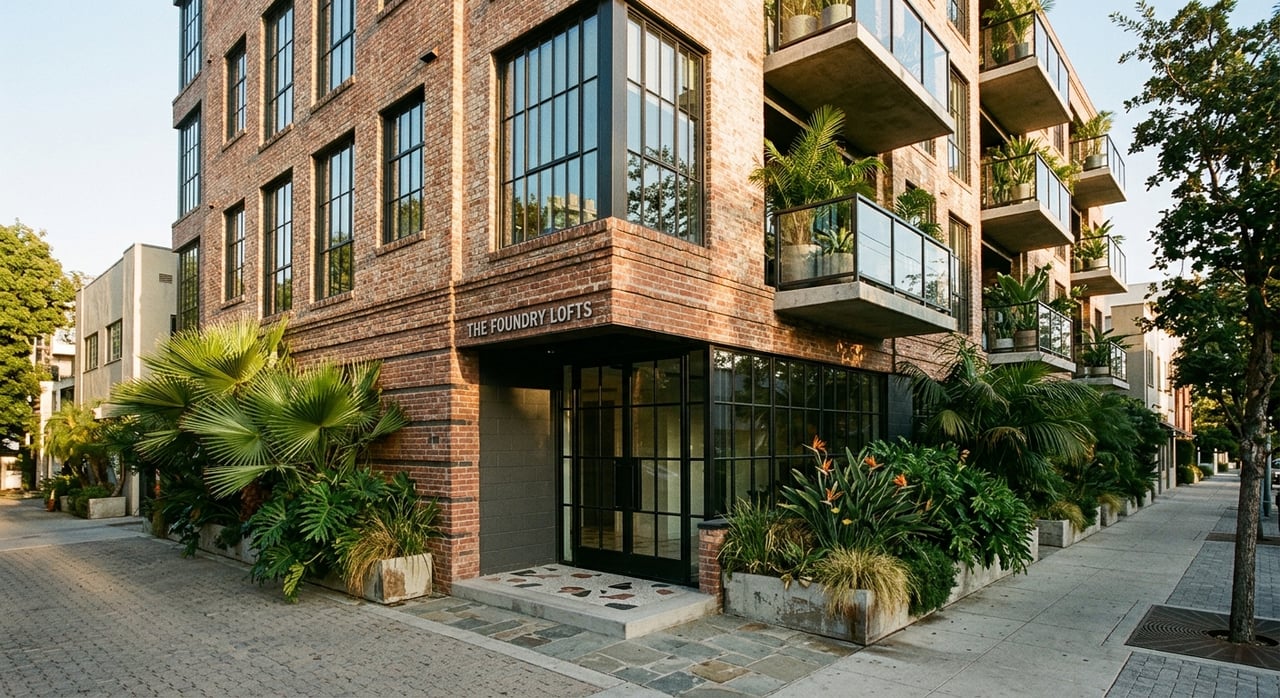
Wynwood’s current identity grew out of adaptive reuse. According to the Wynwood Business Improvement District, the area was once known for warehouses, factories, and the Garment District before warehouse rehabilitation in the early 2000s helped reshape the neighborhood.
That shift gained momentum with Second Saturday Art Walk and Art Basel in 2002. Over time, Wynwood evolved from an industrial area into a destination known for art, food, and culture, and then into a place where more people could live full-time.
A major turning point came through planning and zoning changes. The City of Miami created NRD-1 as its first Neighborhood Revitalization District in Wynwood, adding design guidelines for new buildings and streetscapes, including pedestrian-focused improvements and a street-tree plan intended to support a more livable public realm.
By 2015, zoning changes helped accelerate Wynwood’s transition into a neighborhood where people can live, work, and play in the same district. A 2026 Axios report notes that building heights were capped at 12 stories in much of the area and that new projects were required to include murals or glass treatments, reinforcing Wynwood’s visual identity even as residential density increased.
If you live in Wynwood today, you are choosing a neighborhood with constant energy. Official Miami tourism sources describe it as a former warehouse area now filled with restaurants, bars, shops, galleries, murals, breweries, taquerias, food halls, and nightlife.
The Wynwood BID says the district includes more than 250 businesses, more than 100 eateries, and more than 200 street murals. That means daily life is highly amenity-rich, with plenty to do within a relatively compact footprint.
At the same time, Wynwood is not a quiet residential enclave in the traditional sense. It remains visitor-heavy, especially on blocks closest to major dining, art, and nightlife activity. For many buyers and renters, that is part of the appeal. For others, it is something to weigh carefully when comparing buildings and micro-locations.
The BID also provides security and sanitation services, which matters in an area balancing full-time residents with heavy foot traffic. In a neighborhood like Wynwood, operational details such as street upkeep and district management can shape the day-to-day experience just as much as building amenities do.
Wynwood is still arts-first in many ways, but it is no longer only an arts district. The most accurate way to describe it in 2026 is as a dense mixed-use neighborhood where art, dining, nightlife, offices, and housing all coexist.
That distinction matters if you are thinking about living there. You are not moving into a neighborhood that has left its creative roots behind. You are moving into one where the arts remain part of the built environment and the street experience, even as residential development expands.
This is also one reason Wynwood feels different from many other Miami neighborhoods. Its visual culture is not tucked away in a few galleries. It is built into the public-facing identity of the district through murals, design rules, and a street life centered on creativity and hospitality.
Wynwood’s housing stock is becoming more varied, but the dominant pattern is clear: mixed-use residential development is now a major part of the neighborhood. Buyers and renters will generally find apartments, condos, and hybrid-style buildings rather than traditional single-family housing.
The zoning framework is especially important here. Wynwood’s regulations explicitly allow live-work and work-live uses, with separate parking standards for each. That helps explain why loft-style homes and hybrid home-studio concepts make sense in this neighborhood’s former industrial setting.
For some residents, that flexibility is a major advantage. If your lifestyle blends creative work, remote work, entrepreneurship, or flexible use of space, Wynwood’s planning framework supports that better than many more conventional residential areas.
The city also says the Wynwood transfer-of-development-density program is intended to encourage affordable and workforce housing, civic open space, and legacy floor area within legacy structures. That signals an effort to shape growth in a way that balances new development with public-realm and preservation goals.
Several large projects show where the neighborhood is headed. Wynwood Plaza includes a 509-unit apartment building with co-working space, a sauna, and outdoor pools.
Highley House adds 304 residences along with office and retail space, offering studios through three-bedroom layouts and amenities such as a pool, cinema, spa, game room, EV charging, and co-working areas. These features reflect the kind of amenity-driven urban living many residents now expect in newer Miami buildings.
LIVWRK Wynwood is planned as three 45-story towers with 1,363 units and 25,000 square feet of retail, with unit types ranging from studios to three-bedrooms. Twenty Sixth & 2nd is another mixed-use project, this one an eight-story development with retail, office, and residential space.
Taken together, these projects show that Wynwood is not developing as a single-product neighborhood. It is adding a mix of apartment-led, condo-oriented, and hybrid mixed-use inventory that can appeal to both end users and investors.
For some residents, yes. Wynwood is one of the Miami neighborhoods where a more car-light lifestyle is more realistic because of its density, walkable amenities, and transit options.
The City of Miami trolley includes a Wynwood route with free fares, ADA accessibility, and service on weekdays and Saturdays. Sunday service is not listed, so that is worth noting if you expect seven-day transit availability.
The area’s pedestrian upgrades also support local mobility. City planning says the Wynwood streetscape and street-tree plan is intended to create a living street, which aligns with the neighborhood’s mixed-use format and heavy foot traffic.
That said, car-light does not mean car-free for everyone. Your experience will depend on your building, your work pattern, and how often you travel beyond Wynwood and nearby urban districts.
One of the best ways to understand Wynwood is to compare it with the Miami Design District just to the north. The Design District spans 18 square blocks and is known for fashion, design, art, architecture, fine dining, public art, galleries, and restaurants.
While the two neighborhoods are adjacent, they offer distinct experiences. Wynwood tends to feel more mural-heavy, nightlife-forward, and visibly mixed-use. The Design District is generally more polished and retail-oriented in character.
For a resident, this proximity is a real advantage. You can live in a neighborhood with a strong creative street identity while remaining close to another major amenity cluster centered on design, dining, and shopping.
Population growth tells an important part of Wynwood’s story. According to the 2026 Axios report, the Wynwood BID described the neighborhood’s population as growing from about 1,000 people before rezoning to around 6,000 by February 2026, with more than 3,000 additional residents expected from new projects.
That growth supports the idea that Wynwood is no longer an edge-case urban district. It is becoming a true residential node within Miami, with a scale of housing and population that changes how the neighborhood functions throughout the day and evening.
For buyers and investors, that kind of growth can influence everything from retail depth to building competition to long-term neighborhood identity. It also means that evaluating specific blocks and projects matters more than relying on older perceptions of Wynwood.
If you are thinking about living or investing in Wynwood, it helps to focus on a few practical questions:
These questions matter because Wynwood is not one-size-fits-all. It can be compelling for residents who value proximity to culture, dining, and new development, but the right fit often comes down to the building and the exact location within the district.
Wynwood has clearly moved beyond its early identity as only an arts district. Today, it stands out as a mixed-use Miami neighborhood where housing, office space, dining, nightlife, and public art all operate side by side.
For some buyers, that creates a lifestyle that feels highly urban, creative, and convenient. For investors, it presents a neighborhood shaped by rezoning, population growth, and significant new supply. In either case, understanding the building mix, street activity, and mobility options is essential before you make a move.
If you are evaluating Wynwood as a home base or part of a larger Miami real estate strategy, working with a team that understands neighborhood positioning, new development, and building-level differences can make the process more precise. To discuss opportunities in Wynwood and across Greater Miami, connect with Four Corners Real Estate.
Stay up to date on the latest real estate trends.
Ready to find your next investment or dream home? Whether you’re building a portfolio or looking for the perfect residence, we’re here to deliver clarity, strategy, and results.