In Coral Gables, Even a Paint Color Change Waits in the Same Line as an Addition
August 27, 2026
August 27, 2026
How long does it take to change your roof color in Coral Gables? Not the labor. The paperwork. Ask a homeowner two streets over in Coconut Grove or South Miami and the honest answer is usually a phone call to a contractor and a permit pulled within days. Ask a homeowner in the Country Club Section or Granada and the honest answer involves a city board, a weekly meeting, and a queue that does not care whether your project is a full addition or a can of paint.
That queue is the detail most buyers and sellers underestimate about Coral Gables real estate, and it changes how a renovation-before-listing plan or a renovate-after-closing plan should actually be built.
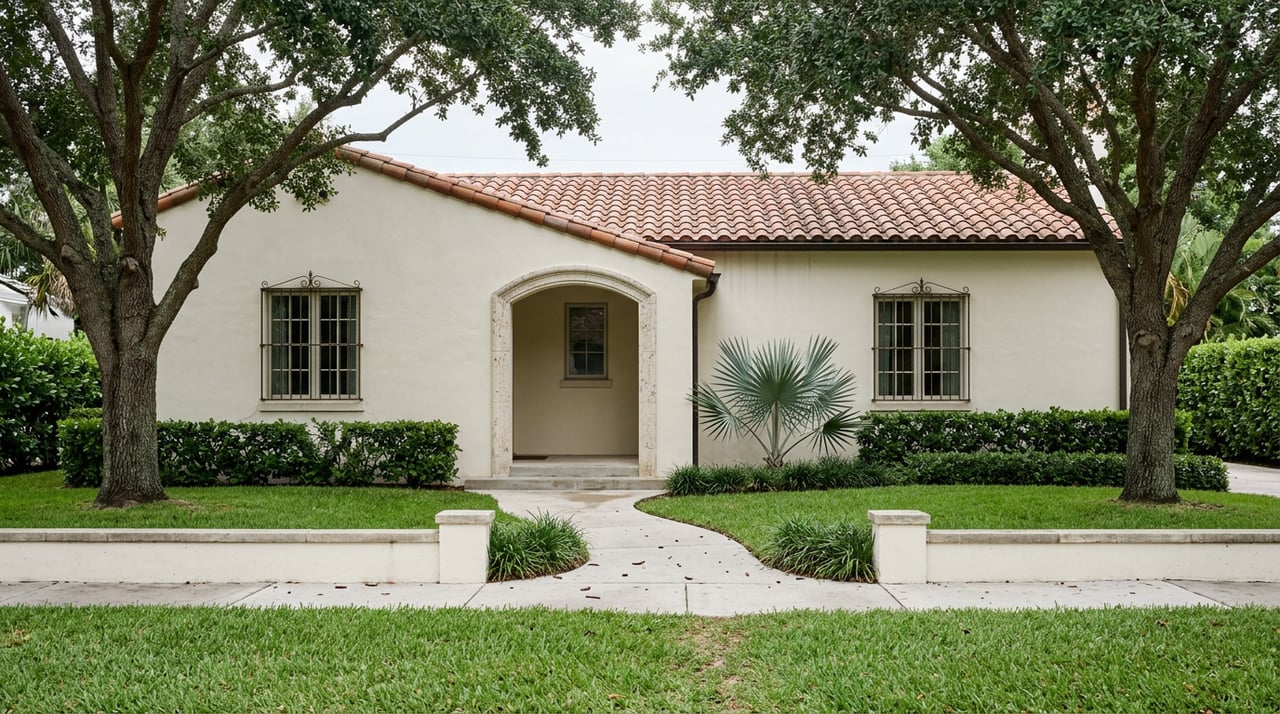
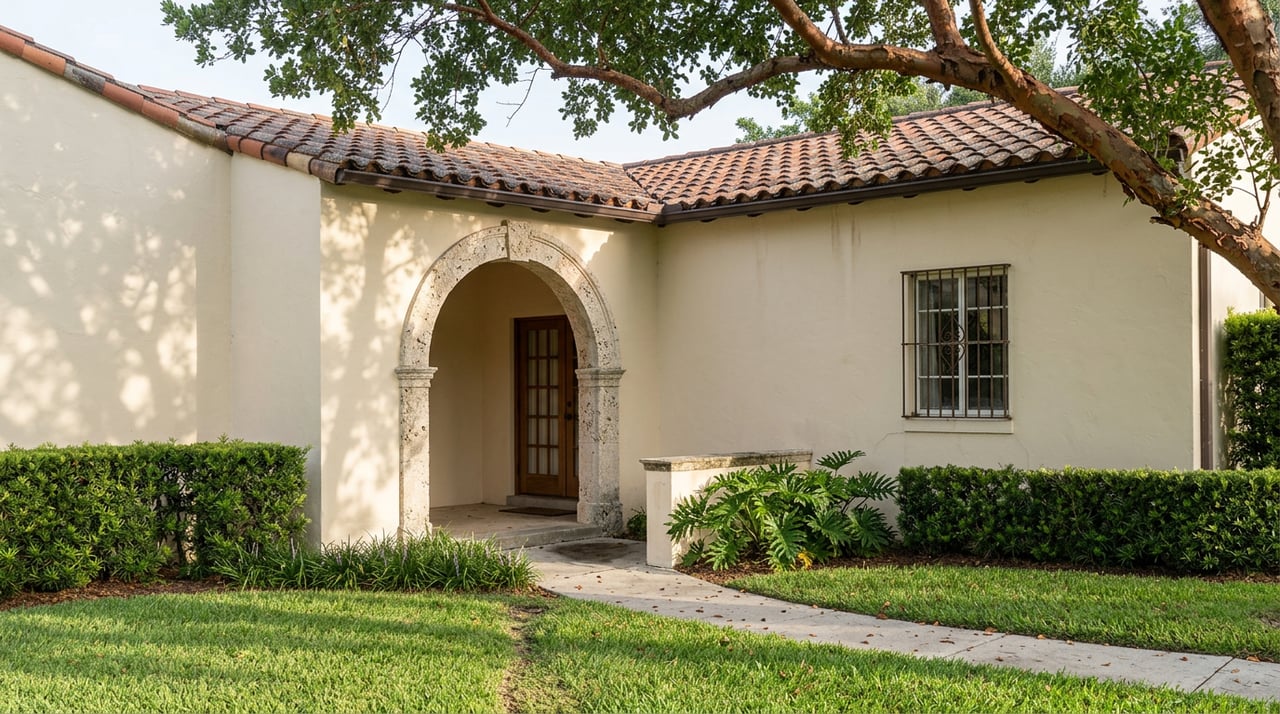
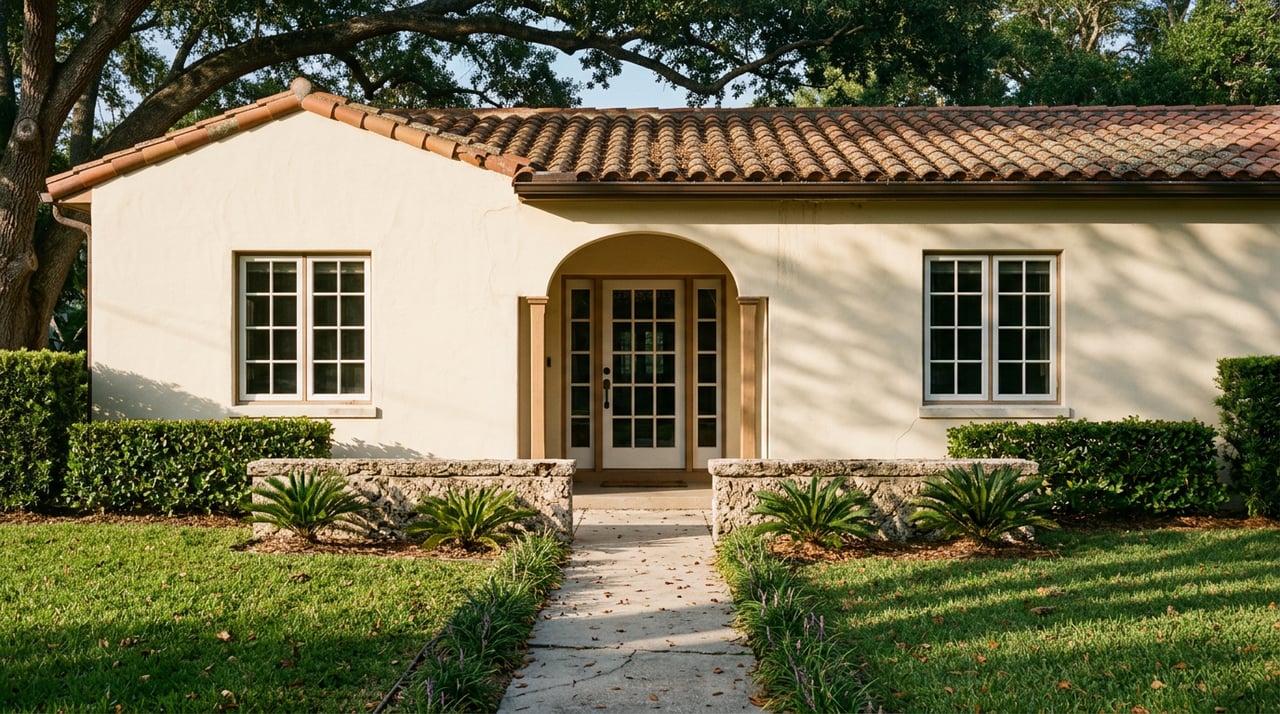
Coral Gables was built in 1925 to a single architectural vision, and the city has spent a century enforcing it. The mechanism is the Board of Architects, made up of at least seven local architects appointed by the City Manager and approved by the City Commission. The board's job, under the city's own zoning code, is to keep new work consistent with the Mediterranean Revival character George Merrick established when he founded the city, and it does that by reviewing nearly every visible exterior change before a building permit can be issued.
That list is longer than most buyers expect. New construction and additions, obviously, but also roof material and color, exterior paint, window replacement, fences and gates, driveway and paver changes, awnings, and accessory structures all go through the same body. The board meets every Thursday morning at City Hall, and for a typical project that review involves a preliminary approval and a separate final approval before the permit stage even starts.
Interior renovations that leave the exterior untouched skip this step and go straight to standard plan review. Everything visible from the street does not.
If you take one number from this piece, take this one: the review calendar does not scale down for small projects. A repaint and a two-story addition compete for the same Thursday slot.
The board's own review cycle typically runs three to eight weeks per round, and most projects that involve any material, color, or profile change from what is already approved go through two to four rounds before they clear. A straightforward repaint in a color already on the city's approved palette, submitted as a complete package, can clear in a single cycle, something like three to four weeks. Swap in a color or material that is not already on file, and the same repaint can take two to three cycles to work through revisions on proportion, palette, or ornamentation.
Once the Board of Architects signs off, the project still moves to the city's Building and Zoning Department for plan check, which runs another six to twelve weeks on a typical residential project. The board's approval does not issue the permit. It clears the path to apply for one.
Stack those numbers and a seller planning a fall listing with a fresh roof and exterior paint is not looking at a two-week vendor job. They are looking at a process that, worked backward from a target listing date, needs to start months earlier than most sellers assume.
| Project type | Board of Architects review | Typical review cycles | Realistic lead time before permit |
|---|---|---|---|
| Interior renovation only | Not required | N/A | Standard plan review only |
| Exterior repaint, approved color | Required | 1 | 3 to 4 weeks |
| Exterior repaint, new color or roof material | Required | 2 to 3 | 8 to 20 weeks |
| Addition or new construction | Required, plus zoning and tree review | 2 to 4 | 3 to 8 months |
Even a 2022 update to the city's own code, which added standing seam metal roofing to the list of approved pitched-roof materials, still runs through this same board on a case by case basis for profile and color. Four years into that ordinance, the city has widened what is allowed. It has not shortened how the approval gets granted.
A seller who repaints without a completed Board of Architects file, or a prior owner who swapped windows years ago without final sign-off, leaves a record that a title search or a buyer's inspection can surface. Open or unresolved exterior permits are public record, and in Coral Gables they carry an extra layer most buyers do not check for in other Miami neighborhoods: not just whether a permit exists, but whether the Board of Architects file behind it was ever closed out.
For a buyer, that means the due diligence conversation on a historic-district or architecturally reviewed property should include a specific question most agents do not think to ask elsewhere in Miami-Dade: did every visible exterior change on this property clear final board approval, not just a building permit. For a seller carrying an unresolved exterior item into a listing, that gap is worth resolving before it becomes a line item in a buyer's inspection response.
Owners of a locally designated historic property in Coral Gables have access to a real financial tool that most renovation timelines accidentally forfeit: the Historic Preservation Ad Valorem Tax Exemption, run jointly by Miami-Dade County and the City of Coral Gables under Florida Statutes 196.1997 and 196.1998. A qualifying rehabilitation freezes the assessed value attributable to the improvement, not the whole property, at its pre-renovation level for ten years.
The catch is sequencing. The exemption requires a Preconstruction Review before work begins, before-and-after photo documentation, and a recorded covenant to maintain the historic character of the property for the exemption term. It is a two-part application, Part I before construction and Part II after completion, running through both the city's Historical Resources Department and the county's Office of Historic and Archaeological Resources.
An owner who starts construction before filing Part I has already closed the door on this benefit for that project. It is not a form you file after the fact. It is a decision you make before the first permit is pulled, which puts it on the same calendar as the Board of Architects review it runs alongside.
For anyone renovating a Coral Gables home ahead of a sale, or planning work after a purchase, the practical order looks like this:
For sellers weighing whether a pre-listing refresh is worth the calendar it consumes, or buyers comparing a Coral Gables purchase against a similar home in South Miami, this is the variable that does not show up in a portal listing. It shows up in how long you actually have to wait before the work can start.
Does a same-color repaint still need Board of Architects approval in Coral Gables? Yes. Any change to exterior paint requires board approval, even a repaint in the identical color, because the submittal is compared against the city's approved palette regardless of what color was there before.
What happens if I buy a home with an open or unresolved exterior permit? The property carries that record forward. A buyer's inspection or title review can surface it, and resolving it, whether that means completing a board file or bringing unpermitted work into compliance, becomes the new owner's responsibility unless it is addressed before closing.
Does the historic tax exemption apply to any Coral Gables home, or only designated ones? It applies specifically to locally designated historic properties or contributing structures within a historic district, and the application must begin before construction, through both the city's Historical Resources Department and Miami-Dade County's historic preservation office.
Whether you are timing a renovation ahead of a listing or evaluating a historic property before you write an offer, the calendar matters as much as the comps. Four Corners Real Estate works with buyers and sellers across Coral Gables and the surrounding waterfront corridors on exactly this kind of sequencing. Request a Private Consultation to walk through your timeline before you commit to one.
Stay up to date on the latest real estate trends.
Ready to find your next investment or dream home? Whether you’re building a portfolio or looking for the perfect residence, we’re here to deliver clarity, strategy, and results.