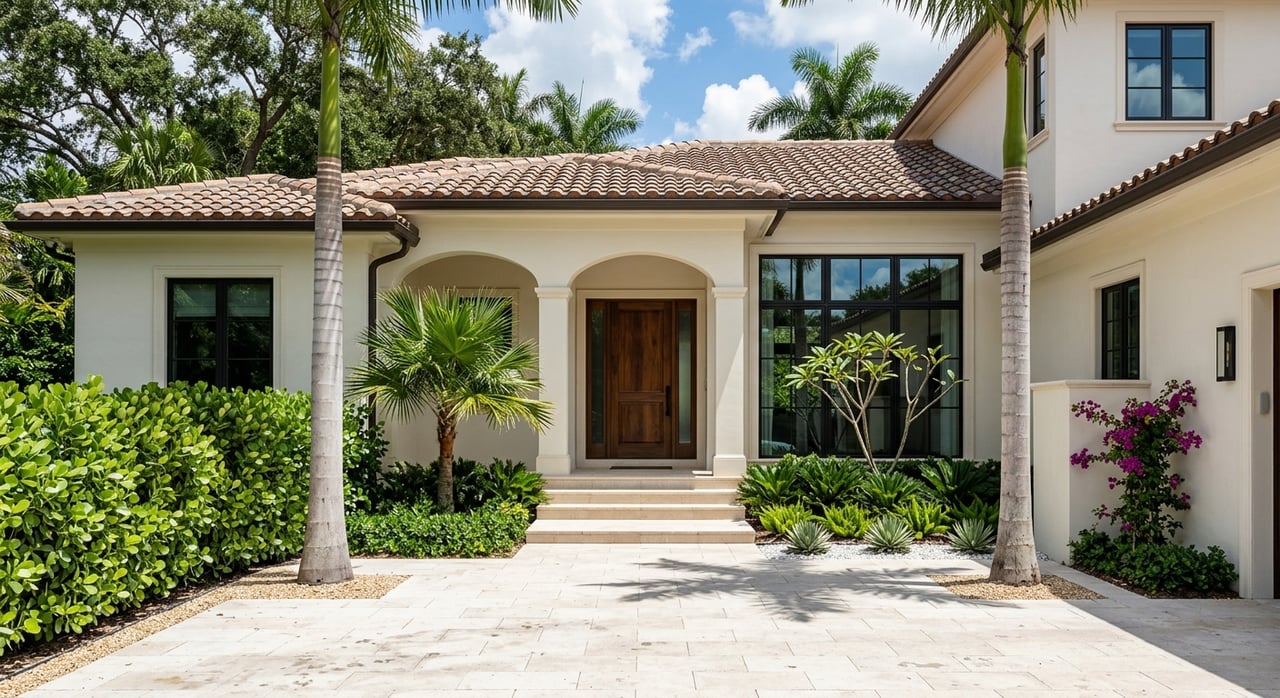
Comparing South Miami vs Coral Gables Homes
Coral Gables Real Estate Four Corners Real Estate May 7, 2026
Coral Gables Real Estate Four Corners Real Estate May 7, 2026
Trying to choose between South Miami and Coral Gables? If you want a home that fits both your lifestyle and your long-term goals, this decision deserves a closer look. While these neighboring cities share strong location advantages, they offer very different experiences in scale, architecture, housing mix, and day-to-day convenience. This guide breaks down the key differences so you can compare them with more clarity and confidence. Let’s dive in.
South Miami and Coral Gables sit close to each other, but they do not feel the same once you start looking block by block. South Miami is a compact city with just 2.27 square miles of land area, while Coral Gables spans 12.93 square miles. That difference shapes everything from how quickly you can get around to how much variety you may find within each city.
If you are looking for a smaller, easier-to-navigate setting, South Miami often feels more intimate. If you want a larger city with a broader range of districts, shopping areas, and architectural character within one municipality, Coral Gables may offer more options. In practical terms, this is often the first major fork in the road for buyers.
South Miami describes its town center east of US1 as a vibrant shopping, dining, and entertainment area with a hometown ambiance. The city also notes that it borders the University of Miami’s main campus, Coral Gables, and Pinecrest. That location gives you access to major institutions while still keeping a smaller-city feel.
For many buyers, the appeal is simplicity. You can focus your search on a city that feels manageable, familiar, and connected to everyday essentials. South Miami also has two major hospitals within the city, which contribute to local services and employment.
Coral Gables presents itself as the City Beautiful, with lush green avenues, residential houses, historic landmarks, public art, businesses, and a wide dining scene. Its larger footprint helps create a more layered experience, with different pockets offering different rhythms and streetscapes.
If you value a city with a stronger sense of formality and a more established civic identity, Coral Gables may stand out. Buyers often notice the visual consistency, larger downtown framework, and the overall sense of structure that comes with a bigger and more historically defined municipality.
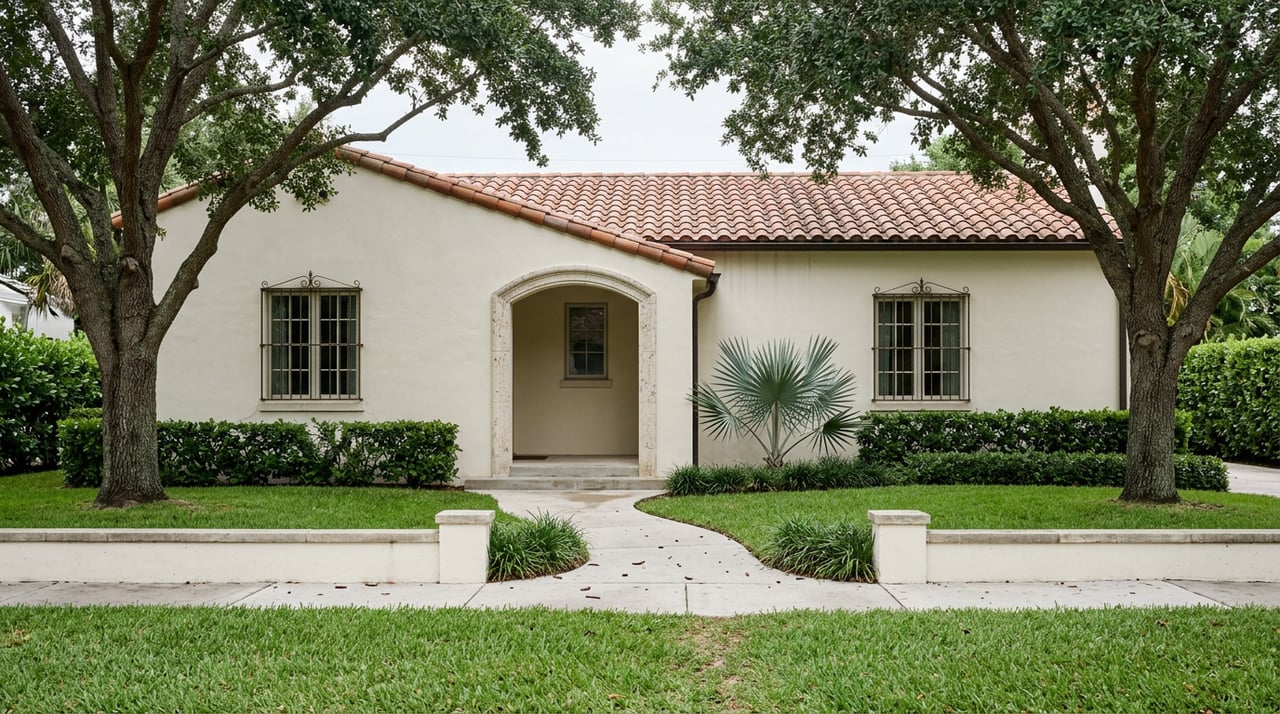
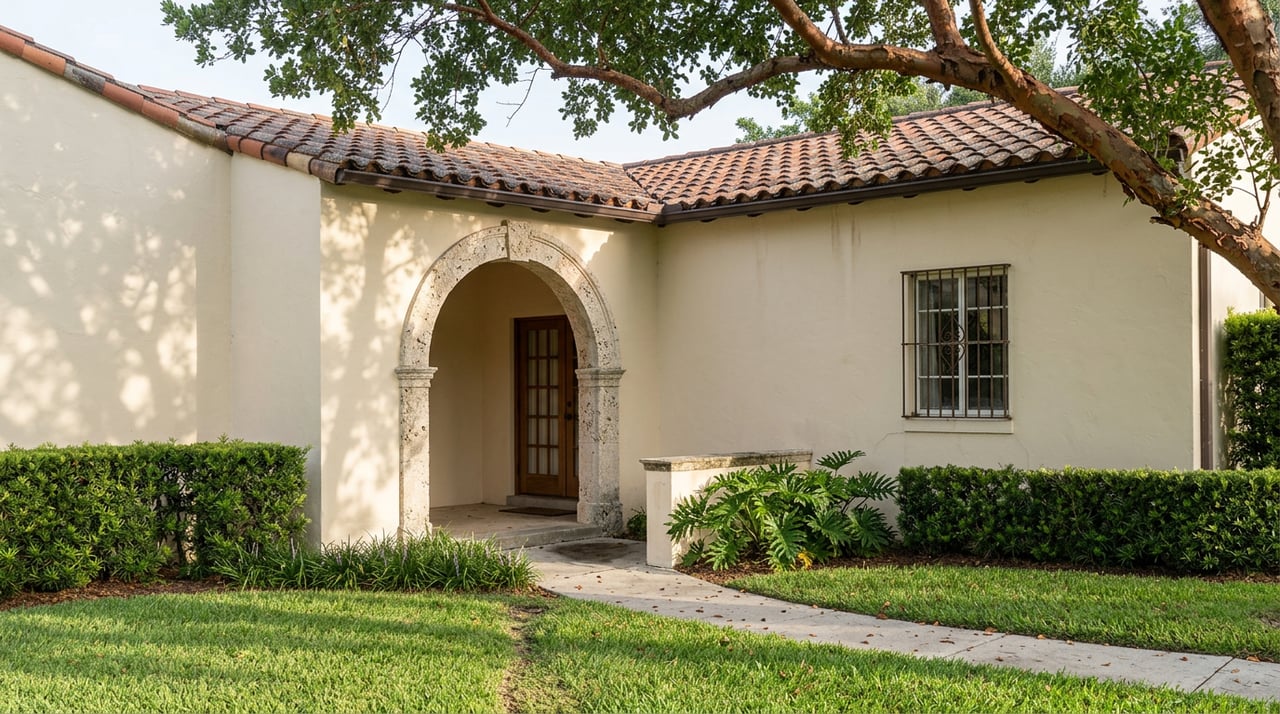
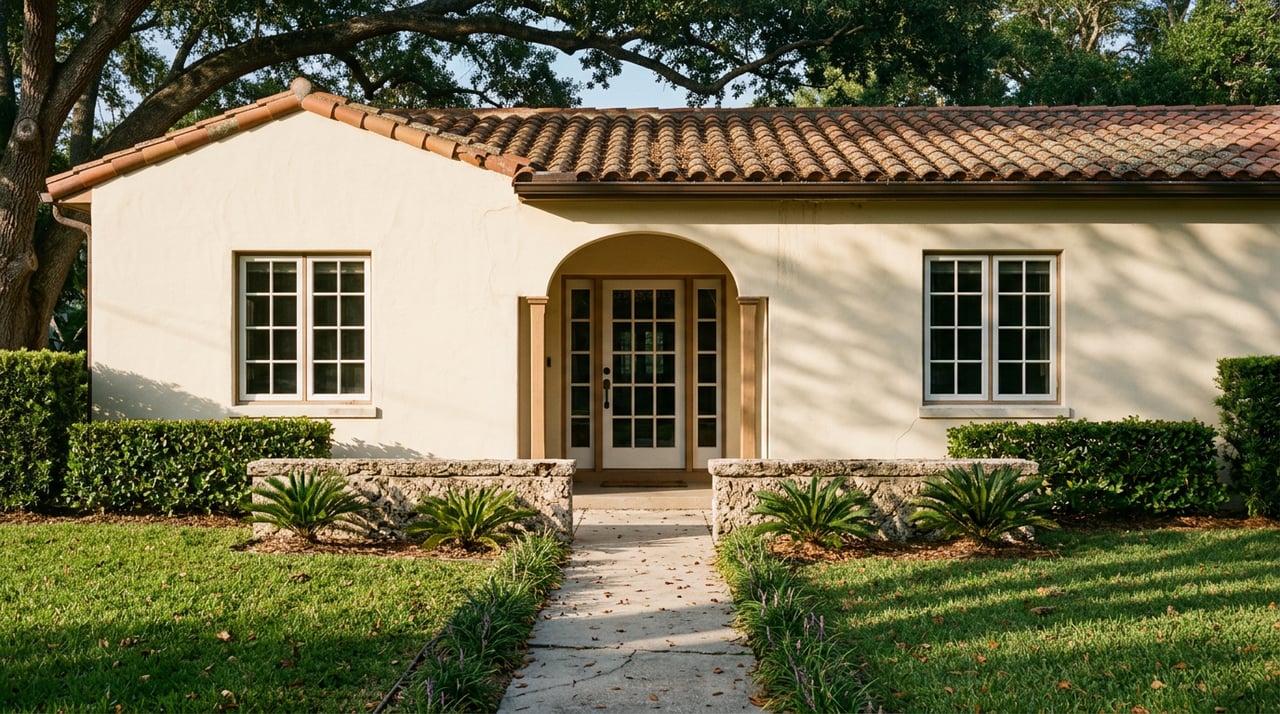
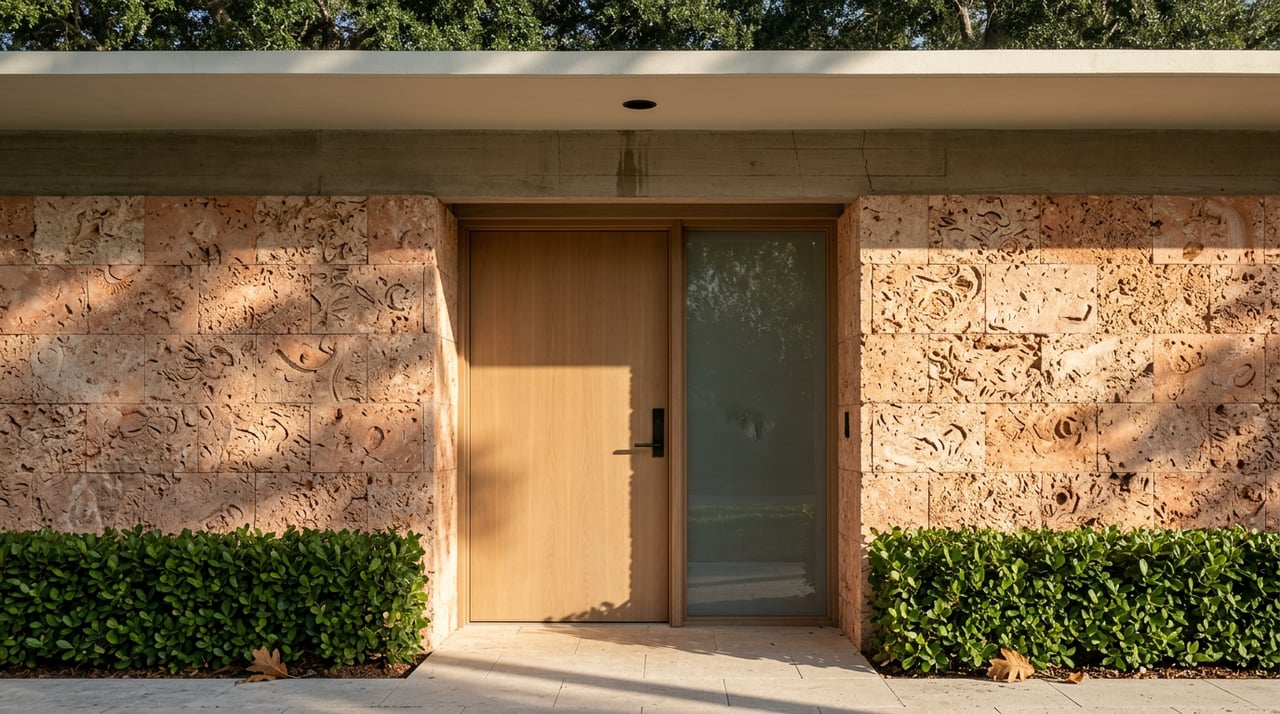
One of Coral Gables’ clearest distinctions is its architectural identity. The city’s official materials tie its Mediterranean architecture to George Merrick’s original vision, and the city actively incentivizes that style through its Med Bonus program. Official landmarks content also highlights Mediterranean Revival, native coral-rock vernacular, and wood-frame vernacular architecture.
That matters if design continuity is high on your list. In Coral Gables, the built environment often feels more curated and more visibly guided by historic planning principles. For buyers who care about cohesive streetscapes and a formal architectural legacy, this can be a major advantage.
South Miami’s planning and history documents point to a more mixed and evolution-driven housing fabric. The city references post-war growth, irregular boundaries, redevelopment, transit-oriented development, and the protection of historic structures. Its zoning includes Estate Residential, Single Family Residential, townhouse districts, neighborhood retail, and transit-oriented categories.
For you as a buyer, that can translate into more variety in housing forms and lot patterns. Instead of one dominant architectural identity, South Miami may offer a wider mix of home styles and development types. That can be useful if you want flexibility in price point, property type, or neighborhood feel.
South Miami’s SoMi District is promoted by the city as the heart of its downtown scene. The city highlights shops, restaurants, entertainment venues, tree-lined streets, sidewalk cafes, boutiques, movie theaters, and three parking garages. It also benefits from proximity to the South Miami Metrorail station.
If you want a smaller downtown that still offers everyday convenience, this setup may feel appealing. The experience is less about sheer scale and more about having a walkable core with useful amenities close together. For many buyers, that creates a lifestyle that feels practical and approachable.
Coral Gables has the deeper retail and restaurant stack. The city identifies Miracle Mile as the center of its downtown district, and it promotes the Shops at Merrick Park as a 780,000-square-foot mixed-use destination with retailers, restaurants, a movie theater, and a gym.
The city’s downtown planning also explicitly prioritizes pedestrian activity and mixed use. If your ideal day-to-day routine includes a wider set of dining and shopping choices within the city, Coral Gables may offer more range. This broader commercial base is often a key reason buyers start their search there.
Transit access is a meaningful strength in both South Miami and Coral Gables, but the experience differs. Miami-Dade Transit lists the South Miami station at 5801 South Dixie Highway, with nearby points of interest including South Miami City Hall, South Miami Hospital, and the South Miami Branch Library.
In Coral Gables, the Douglas Road station serves the city and connects to the Coral Gables trolley. The University station also provides access to the University of Miami area. For buyers who want rail access as part of their daily routine, both cities deserve a serious look.
Coral Gables also runs free trolley service, including a route from Douglas Road toward Merrick Park, Miracle Mile, and Ponce de Leon Boulevard. The city has also introduced a Southern Loop pilot aimed at improving access to the University of Miami, medical offices, and schools.
South Miami offers MetroConnect SoMi as a local rideshare option. In short, both cities support car-light movement in different ways. South Miami leans into compact convenience, while Coral Gables offers a broader network across a larger urban area.
Coral Gables is a major employment center, and the city states that the University of Miami is its largest employer. It also promotes its proximity to Miami International Airport, the Port of Miami, and downtown Miami as a business advantage. That broader economic base can matter if you want a home in a city with strong institutional presence.
South Miami also benefits from powerful nearby anchors. The city borders the University of Miami’s main campus, and its official community page notes that two major hospitals provide local employment and services. For buyers who value access to healthcare and university-related activity, both cities have solid fundamentals.
For direct university access, Coral Gables contains the University of Miami Coral Gables campus, and the university’s maps and directions page says the campus is easily accessible from the University Metrorail station. Depending on your routine, that may tilt the decision if proximity to campus is a major factor in your move.
If budget and long-term positioning are central to your decision, the value gap between these cities is important. Census QuickFacts shows a higher median value of owner-occupied housing units in Coral Gables than in South Miami: $1,089,900 versus $829,400 in 2020 to 2024 data. Owner occupancy is also slightly higher in Coral Gables, at 64.5% compared with 60.2% in South Miami.
These are not direct list-price comparisons, and they should not be treated as substitutes for current market pricing. Still, they are useful as broad value signals. In general, Coral Gables tends to sit at a higher entry-price tier, while South Miami often offers a more approachable starting point for buyers comparing these two locations.
South Miami is often a strong starting point if you want a compact city, a mixed housing stock, and a downtown area that feels easy to use. Its zoning mix suggests more variety in housing forms, and its scale may appeal if you prefer a more intimate setting.
This can be especially useful if you are weighing different property types or looking for a city with a practical, connected feel. For buyers who value convenience, transit access, and a less formal housing fabric, South Miami often deserves close attention.
Coral Gables is often the stronger starting point if you want architectural consistency, a formal historic identity, a larger retail and restaurant base, and a more established high-value market profile. Its scale and structure can support a more defined lifestyle choice for buyers who know they want that environment.
If your priorities include visual cohesion, a broader downtown experience, and a city with a long-established identity, Coral Gables may be the better match. For many buyers, it comes down to whether they value flexibility and compactness or formality and consistency.
Choosing between South Miami and Coral Gables is not just about price or proximity. It is about how you want to live, what kind of housing environment feels right, and how each city supports your goals over time. Two cities can sit side by side and still offer very different paths for your next home.
At Four Corners Real Estate, we help buyers evaluate Miami-area neighborhoods with a disciplined, highly personalized approach grounded in local market context. If you are comparing South Miami and Coral Gables and want tailored guidance based on your priorities, the experienced Miami luxury real estate agents at Four Corners Real Estate can help you make a more informed decision.
Stay up to date on the latest real estate trends.
Ready to find your next investment or dream home? Whether you’re building a portfolio or looking for the perfect residence, we’re here to deliver clarity, strategy, and results.