Buying A Waterfront Condo In Edgewater Miami
April 2, 2026
April 2, 2026
If you are thinking about buying a waterfront condo in Edgewater, it is easy to get drawn in by the bay views first. And to be fair, that appeal is real. But in this part of Miami, the strongest purchase is usually the one where you can clearly justify the view, the monthly cost, and the building’s financial and structural health. Let’s dive in.
Edgewater sits along Biscayne Bay within the City of Miami, and it stands out as one of the city’s most condo-focused neighborhoods. According to the Miami Downtown Development Authority’s 2025 residential analysis, condos make up 78.1% of the housing stock in the submarket, with 7,904 existing condo units, 678 under construction, and 237 proposed. That level of condo density gives you a lot to compare, which is helpful if you want options but also means building selection matters a lot more than the neighborhood name alone.
The same report shows that the average sale price per unit was about $1 million as of Q2 2025, with 393 condo sales in 2024 and 29% of volume in the luxury segment. It also notes an average 176 days on market, which suggests buyers are taking time to compare buildings, fees, documentation, and long-term value. In other words, Edgewater buyers are not just paying for a postcard view. They are underwriting the full ownership picture.
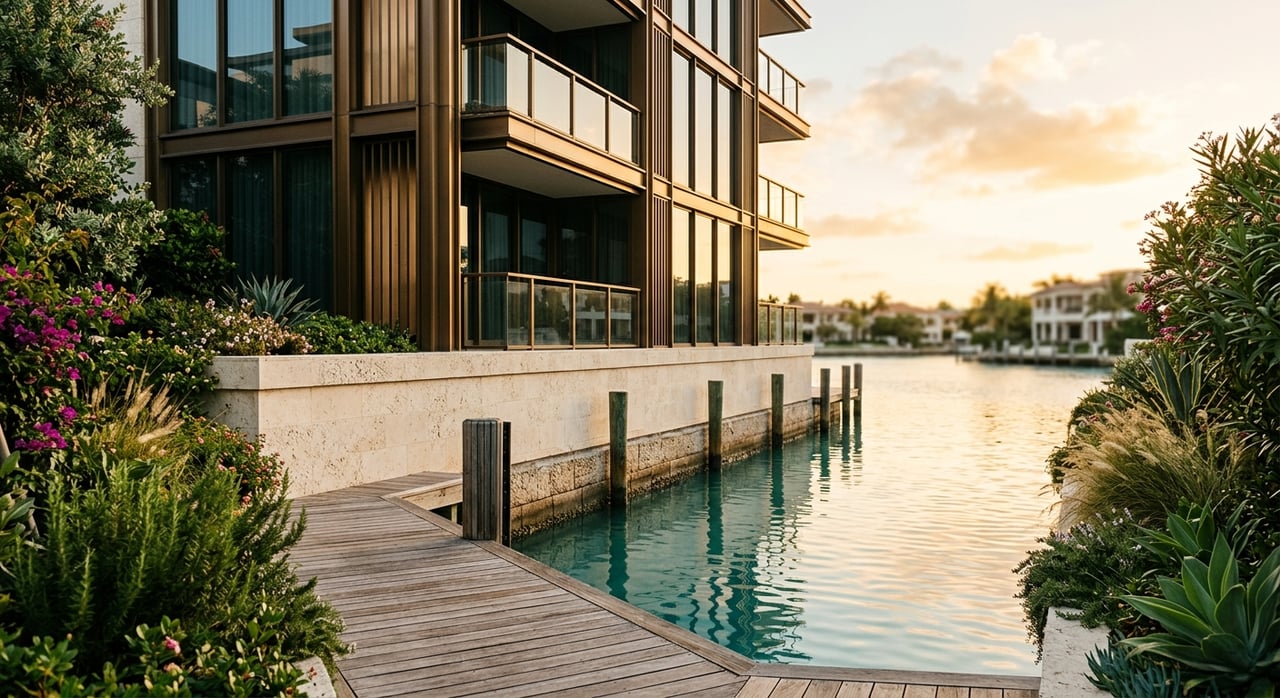
Part of the appeal is the public waterfront itself. Margaret Pace Park is an official waterfront park with walking trails, tennis courts, a dog park, and outdoor fitness equipment. The City is also working on shoreline stabilization and water-access improvements there, which reinforces how central the bayfront setting is to the neighborhood experience.
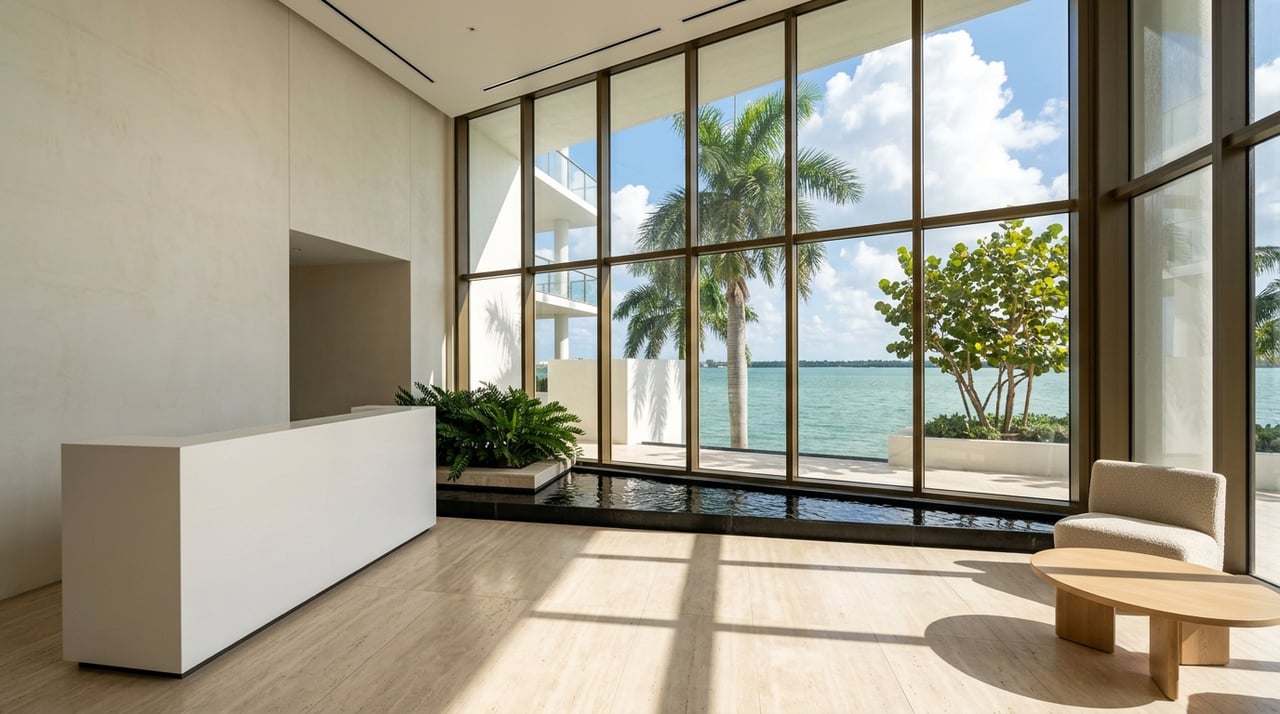
Not every “water view” deserves the same premium. That is one of the most important ideas to keep in mind when you compare Edgewater condos.
Research on waterfront housing shows that value depends on the quality of the view itself, including what you see, how much of it you see, and how protected that view is over time. In practical terms, you should separate buildings into categories such as:
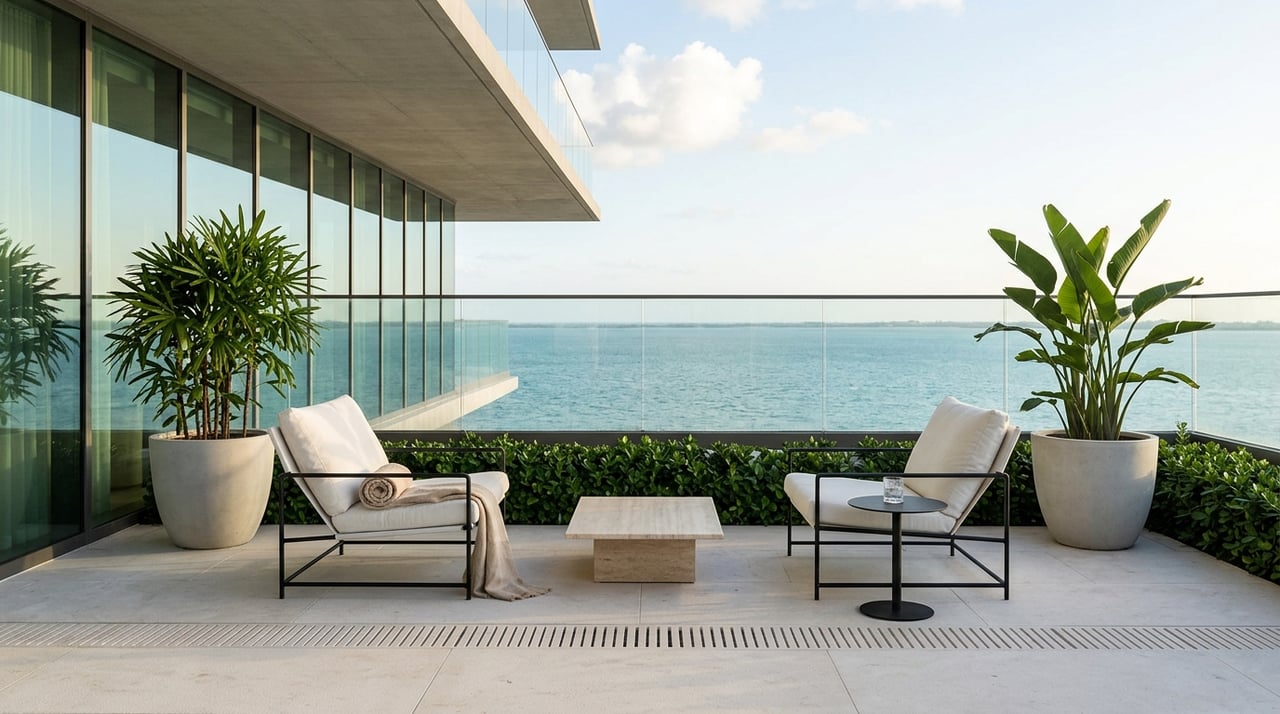
A direct, unobstructed line over Biscayne Bay is not the same as a side-angle glimpse from a higher floor. A park-front unit may offer better visual openness than a unit that is technically closer to the water but partially blocked by neighboring structures. The point is simple: you should not pay the same premium for every listing that uses the word “waterfront.”
Before you make an offer, it helps to get specific about what is creating the premium. Ask questions like:
This kind of analysis matters in a neighborhood with continued condo activity and future development. Edgewater has existing inventory, active construction, and proposed projects, so the durability of a view should be part of your decision, not an afterthought.
A beautiful pool deck and polished lobby can be impressive, but in a condo-heavy market, your monthly carry often matters more than the sales brochure. The Miami DDA report makes that clear by showing a market where buyers are moving carefully and comparing details.
When you evaluate a building, look beyond the amenity list and focus on how those features affect ownership costs. A practical comparison should include:
Two buildings may offer a similar waterfront lifestyle while producing very different monthly costs. That can affect both your day-to-day budget and your long-term resale position.
If you are comparing several condos in Edgewater, a simple framework can help.
| Factor | What to Review | Why It Matters |
|---|---|---|
| View quality | Direct bay, partial water, park-front, skyline | Determines whether the premium is justified |
| Monthly carry | HOA fees, reserves, taxes, insurance | Affects real ownership cost |
| Building condition | Inspection status, repair history, reserves | Signals future risk and expense |
| Amenities | Pool, fitness, valet, guest services, marina | Should support your use, not just look appealing |
| Liquidity | Days on market, building demand, resale appeal | Shapes your exit strategy later |
That kind of side-by-side review can help you avoid overpaying for a unit that looks strong on first impression but becomes less compelling once you factor in fees, condition, and risk.
In Florida, condo document review is not optional if you want to buy well. It is one of the most important parts of due diligence, especially for waterfront high-rises.
Under Florida Statute 718.503, a prospective purchaser is entitled to key association materials, including the declaration, articles of incorporation, bylaws and rules, annual financial statement and budget, FAQ sheet, the most recent milestone-summary if applicable, the most recent structural integrity reserve study or a statement that one has not been completed, and any applicable turnover inspection report. For a resale contract, the buyer is also entitled to a current set of these documents at the seller’s expense.
That means you have the right to look beyond marketing and into how the building is actually run. In Edgewater, that is essential.
When you review an association package, focus on the items most likely to affect your cost and risk after closing. The most important follow-up questions are usually:
Florida law also requires associations to keep official records that include inspection reports, building permits, contracts, bids, and other operating records. Under Florida Statute 718.111, owners can inspect official records within 10 working days after a written request, and certain life-safety inspection reports must be retained for 15 years.
That matters because a great waterfront condo is not just about today’s finishes. It is about whether the building is financially and operationally prepared for what comes next.
Florida condo resale disclosures have become more important, not less. Since December 31, 2024, resale contracts must disclose whether a required milestone inspection, turnover inspection report, or structural integrity reserve study has not been completed. The same statute also provides buyers with certain voidability or closing-extension rights when disclosures are not delivered on time.
For you as a buyer, the practical takeaway is straightforward: request these materials early, review them with care, and do not assume that a newer-looking building is automatically low risk.
Waterfront living in Miami comes with obvious lifestyle benefits, but it also requires a clear view of flood risk and insurance timing. According to Miami-Dade County’s flood-zone guidance, FEMA maps are the current reference for flood risk, and the county notes that the area is especially susceptible to flooding from major rain events and storm surge because it is surrounded by the Atlantic Ocean and Biscayne Bay.
If you are financing the purchase with a federally backed mortgage and the property is in a Special Flood Hazard Area, flood insurance is required. The county also notes that a flood policy typically does not take effect until 30 days after purchase, which makes timing important during your contract period.
It can also be smart to confirm the official flood zone and consider whether an elevation certificate is relevant to your review. Those are not side issues in a bayfront market. They are part of responsible underwriting.
The City of Miami is actively addressing localized flooding in the area. The Edgewater Neighborhood Flood Improvements project is in design-build and is intended to alleviate flooding, with an estimated cost of about $40.85 million and a stated benefit of protecting 816 properties and roughly $1 billion in property value.
That is useful context if you are buying for long-term ownership or investment. It shows that resilience planning is not theoretical in this market. At the same time, neighborhood infrastructure work should never replace building-level due diligence.
If you are buying in a condominium building that is three habitable stories or more, Florida’s milestone-inspection law may apply. Under Florida Statute 553.899, initial inspections are generally due at 30 years, though local enforcement can require them at 25 years where conditions such as proximity to salt water justify it.
Phase one is a visual inspection. If substantial structural deterioration is found, phase two is required. In a waterfront area like Edgewater, that timeline is especially relevant because salt-air exposure is part of the local reality.
Structural integrity reserve studies, or SIRS, are also central to today’s condo underwriting. Under Florida Statute 718.112, owner-controlled associations existing on or before July 1, 2022 were required to complete a SIRS by December 31, 2025, although some buildings tied to a milestone-inspection timeline may complete the SIRS by December 31, 2026.
For an Edgewater buyer, the practical rule is simple: do not confuse waterfront appeal with building durability. Ask for the milestone summary, SIRS, current budget, reserve schedule, and any assessment notices before you rely on the view or the amenities.
In this market, the best waterfront condo purchases usually check three boxes.
First, the view line makes sense and the premium is justified. Second, the monthly carry works for your budget and ownership goals. Third, the building’s structural and financial health supports long-term value.
If one of those pieces is weak, the premium becomes harder to defend. That is especially true in a neighborhood where buyers have meaningful inventory to compare and where decision-making has become more document-driven.
If you want a disciplined, building-by-building approach to Edgewater, Four Corners Real Estate offers private guidance tailored to luxury condo buyers and investors across Miami’s waterfront markets.
Stay up to date on the latest real estate trends.

Relocating to Miami
Ready to find your next investment or dream home? Whether you’re building a portfolio or looking for the perfect residence, we’re here to deliver clarity, strategy, and results.