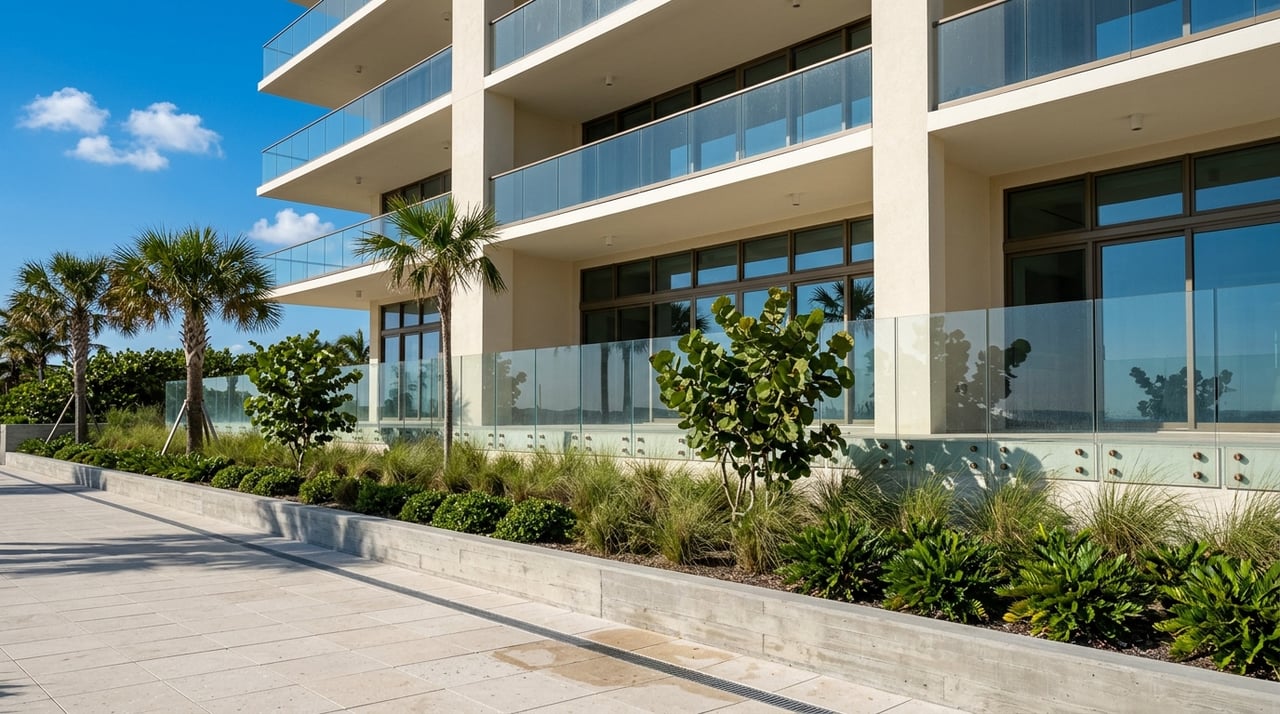
How To Buy An Oceanfront Condo In Miami Beach
Miami Beach Real Estate Four Corners Real Estate April 16, 2026
Miami Beach Real Estate Four Corners Real Estate April 16, 2026
Buying an oceanfront condo in Miami Beach can feel simple at first. You see the view, the balcony, the amenities, and the lifestyle. But in this market, you are not just buying a residence. You are also buying into a building, its finances, its maintenance history, and its legal and insurance profile. If you want to move with confidence, it helps to know what to review before you sign. Let’s dive in.
Before you focus on finishes or floor plans, get clear on how you plan to buy. A mortgage preapproval is not required to submit an offer, but it usually strengthens your position because the lender has already reviewed your income, assets, debt, and credit. If you are buying with cash, be prepared to show proof of funds, as noted by Chase.
For oceanfront condos, financing is about more than your personal qualifications. The building itself can affect whether a lender will approve the loan. Fannie Mae’s condo review tools focus on factors such as insurance, financial health, structural condition, and major repairs, which is why it is smart to ask early whether the building has a Condo Project Manager status or appears in the condo status finder.
In a single-family home purchase, the property is usually the main risk. In a condo purchase, the unit and the association are closely tied together. If the building has critical repairs, inadequate insurance, significant litigation, or hotel-style or short-term-rental characteristics, financing may become more difficult and ownership costs may be less predictable.
That is especially important in Miami Beach, where oceanfront exposure can accelerate wear on building systems and exterior components. Even if a unit is beautifully renovated, the broader condition of the property still matters. Shared systems, common elements, and reserve funding affect every owner.
Miami Beach has its own building recertification process. According to the City of Miami Beach, commercial and multifamily buildings built on or after 1993 must be recertified at 30 years and every 10 years after that. The city allows only a one-time 60-day extension in limited cases.
This matters because recertification timing can affect both negotiations and closing schedules. If reports, permits, or required work are still outstanding, the transaction may move more slowly. In older oceanfront towers, this extra layer of review often becomes part of the buyer’s due diligence.
Florida also requires milestone inspections for many older condo buildings. Under Florida Statute 553.899, some buildings had milestone deadlines by December 31, 2024 or December 31, 2025, depending on when they reached 30 years of age. In coastal areas, local authorities may require these inspections as early as 25 years when salt-water exposure or local conditions justify it.
For buyers in Miami Beach, this means older buildings often deserve a closer look. If a tower is near an inspection milestone, you should understand what has already been completed, what remains pending, and whether any related repairs could affect ownership costs after closing.
One of the most important condo documents today is the Structural Integrity Reserve Study, often called the SIRS. Under Florida Statute 718.112, many associations must complete this study and account for reserves tied to major building components.
The SIRS covers high-cost items such as the roof, structure, fireproofing, plumbing, electrical systems, waterproofing, exterior painting, and windows and exterior doors. For an oceanfront condo, these are not abstract budget lines. They are core systems that directly affect building performance, future assessments, and your long-term ownership experience.
In Miami Beach, line selection is about more than sunrise exposure or the width of the terrace. You should also think about the building envelope, waterproofing, windows, doors, and how the association plans to maintain them over time. Those are practical questions tied directly to the systems Florida law requires many associations to study and fund.
In amenity-rich towers, the same logic applies. Pools, fitness areas, staffed lobbies, and other shared features can add value and convenience, but they are also part of the association’s ongoing cost structure. A building with a realistic budget and reserve plan is usually easier to evaluate than one that has deferred maintenance or unclear funding.
Before you commit, ask for the association package as early as possible. Under Florida Statute 718.503, a prospective purchaser is entitled to current copies of key documents, including the declaration, articles of incorporation, bylaws and rules, annual financial statement and budget, FAQ document, any milestone-inspection summary, the most recent SIRS or a statement that none has been completed, and any applicable turnover-inspection report.
These documents are not just formalities. They help you understand how the building is governed, how funds are being managed, and whether inspection or reserve requirements are already affecting the association. In a luxury condo purchase, this review is part of protecting both lifestyle and capital.
Florida condo contracts include important buyer protections tied to document delivery. For many resale purchases, the contract must either confirm that you received the core condo documents more than seven days before signing or provide a seven-day cancellation window after receipt. When milestone summaries, turnover reports, or SIRS documents apply, the law provides a separate 15-day disclosure and cancellation period.
The same statute also says these voidability rights cannot be waived in a way that defeats the buyer’s protection. If required language is missing, the contract may be voidable at the purchaser’s option before closing. In practical terms, timing matters, and document delivery should be tracked carefully.
The estoppel certificate is one of the most important closing documents in a Miami Beach condo purchase. Under Florida Statute 718.116, the association must issue it within 10 business days of request, and it must disclose current assessments, special assessments, open violations, transfer-approval rights, possible right of first refusal, and insurance contact information.
This document helps confirm what is owed and whether there are building-specific issues tied to the unit. Because owners are responsible for assessments during ownership, the estoppel should never be treated as an administrative afterthought. It is a key piece of financial due diligence.
Oceanfront location is part of the appeal in Miami Beach, but it also makes flood review essential. FEMA states that federally regulated lenders require flood insurance for buildings in a Special Flood Hazard Area. The official place to verify this is FEMA’s Flood Map Service Center.
It is best to check flood exposure early rather than late in escrow. If flood insurance will be required, that can affect lender conditions, cost planning, and overall transaction timing.
A disciplined purchase process can reduce surprises. In most cases, the order looks like this:
This approach is especially useful in Miami Beach, where local recertification rules and Florida disclosure requirements can overlap. For out-of-state and international buyers, smooth execution usually depends more on document timing than on the showing itself.
An oceanfront condo in Miami Beach can be an exceptional lifestyle purchase and, in the right case, a disciplined long-term asset. The key is to evaluate the building with the same care you give the residence itself. When you understand financing, inspections, reserves, flood exposure, and contract timing, you are better positioned to make a confident decision.
If you are weighing buildings, comparing lines, or reviewing condo documents in Miami Beach, the experienced Miami luxury real estate agents at Four Corners Real Estate offer private, concierge-level guidance tailored to luxury buyers and investors across Greater Miami.
Stay up to date on the latest real estate trends.
Miami Shores Real Estate
South Miami Real Estate

Fisher Island Real Estate
Coral Gables Real Estate
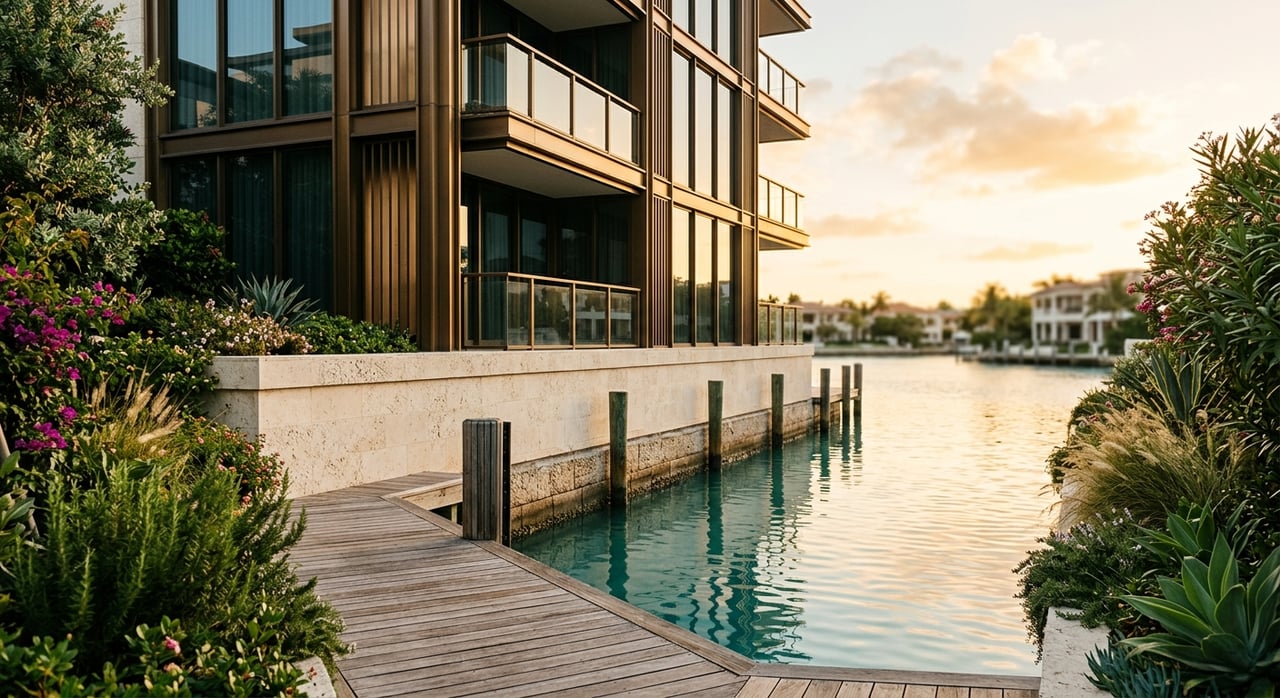
Fisher Island Real Estate
Miami Beach Real Estate
Miami Shores Real Estate
Edgewater Real Estate
Coconut Grove Real Estate
Ready to find your next investment or dream home? Whether you’re building a portfolio or looking for the perfect residence, we’re here to deliver clarity, strategy, and results.