
Wynwood Live-Work Lofts: What Every Buyer Should Know
December 25, 2025
December 25, 2025
Dreaming of a space where you can create, collaborate, and come home without leaving the block? In Wynwood, live‑work lofts offer that blend of studio energy and everyday comfort. Still, the path from listing to move‑in is different from a typical condo. In this guide, you’ll learn how these units work, what rules matter most, and the checks that protect your plans and budget. Let’s dive in.
Live‑work lofts combine a residence with an active workspace used by the occupant. Your use might be a design studio, art practice, or small office. Some units can support client visits, while others are limited to home‑office use only. The key is whether your activity changes the occupancy type or introduces hazards, which triggers stricter rules.
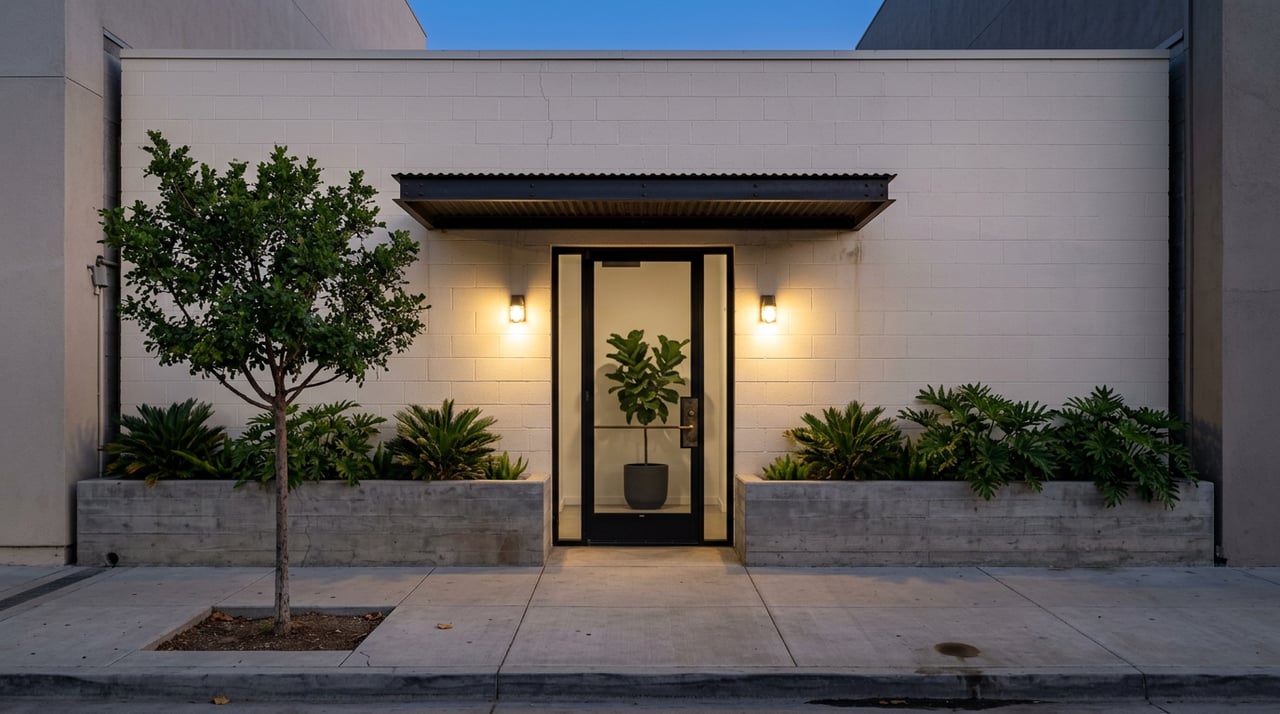
Wynwood’s buildings include converted warehouses and new mixed‑use developments. You’ll see open layouts, concrete floors, high ceilings, and sometimes roll‑up doors for street access. These features are ideal for creating, but they also require you to verify power, ventilation, and fire‑safety capacity for your specific use.
Typical setups:
How people use them:
Retail and food service face more limits. Full commercial kitchens require specific permits and grease management, and many lofts are not suitable without costly retrofits.
Wynwood parcels fall under City of Miami zoning, and permitted uses vary block by block. Before you make an offer, confirm the current zoning designation for the property and whether your activity is allowed as residential, commercial, or mixed use. If your plan changes how the space is used, you may need a new Certificate of Use or a revised Certificate of Occupancy.
Converting a warehouse or altering a unit for mixed use can trigger Florida Building Code review. You may be asked to upgrade egress paths, add fire protection, or incorporate accessibility features. These items affect both cost and timeline, so build them into your planning.
In Wynwood, condo and HOA documents often determine what you can actually do day to day. Review the declaration, bylaws, rules, and recent meeting minutes early. Look for:
If the board has broad discretionary power, your approvals for alterations or operations may be uncertain. Factor that into your risk assessment.
Mixed‑use units can complicate lending. Many conventional mortgages require that a property be primarily residential and owner‑occupied. If your unit has a significant commercial component or heavier customer traffic, a lender may classify it as commercial and require a different loan structure, higher down payment, and shorter terms. FHA and VA programs have strict condo and occupancy rules that often exclude these projects.
Insurance is similar. Standard HO‑6 policies typically exclude business activities. Plan on a commercial general liability policy in addition to your unit coverage, and confirm how the building’s master policy treats shared liabilities and deductibles. If you use chemicals or special equipment, you may need added coverage.
Wynwood’s foot traffic is a benefit for visibility, but parking can be tight. Check whether your unit has assigned spaces and whether customer or employee parking is allowed. Review on‑street rules and nearby garage options. If you rely on deliveries, confirm hours and procedures for loading.
Murals and signage are part of the neighborhood’s identity. Exterior work and signs often need approvals or permits. Coordinate early if your brand presence relies on exterior visuals.
Older industrial buildings can carry legacy issues. If the property once housed automotive, metalworking, or other industrial uses, consider an environmental screening. Fire‑safety, alarms, sprinklers, and egress should match your intended operations. For activities with fumes or dust, verify mechanical ventilation and power capacity. If you serve customers in the space, you may be required to meet accessibility standards.
Use this sequence to reduce surprises and keep leverage through your contingencies.
Pre‑offer:
Under contract (inspection period):
Deal‑structuring protections:
If you plan to claim a homestead exemption, confirm that your business use will not disqualify it. Selling goods or certain services may require sales tax registration. Many operations also need local business licenses. Set these items up early so you can open smoothly after closing.
The same rules that affect your day‑to‑day operations also shape future marketability. Units with clear approvals, proper life‑safety upgrades, adequate parking, and well‑documented association governance tend to resell more easily. Keep complete records of permits, inspections, and association approvals. This documentation supports value and shortens buyer diligence when you exit.
A Wynwood live‑work loft can anchor your brand and lifestyle, but success hinges on disciplined diligence across zoning, association rules, safety systems, parking, financing, and insurance. With the right plan, you can secure a space that fits both how you live and how you work.
If you want a tailored shortlist of viable buildings and units, plus a diligence roadmap that protects your timeline and budget, request a private consultation with Four Corners Real Estate.
Stay up to date on the latest real estate trends.





Ready to find your next investment or dream home? Whether you’re building a portfolio or looking for the perfect residence, we’re here to deliver clarity, strategy, and results.