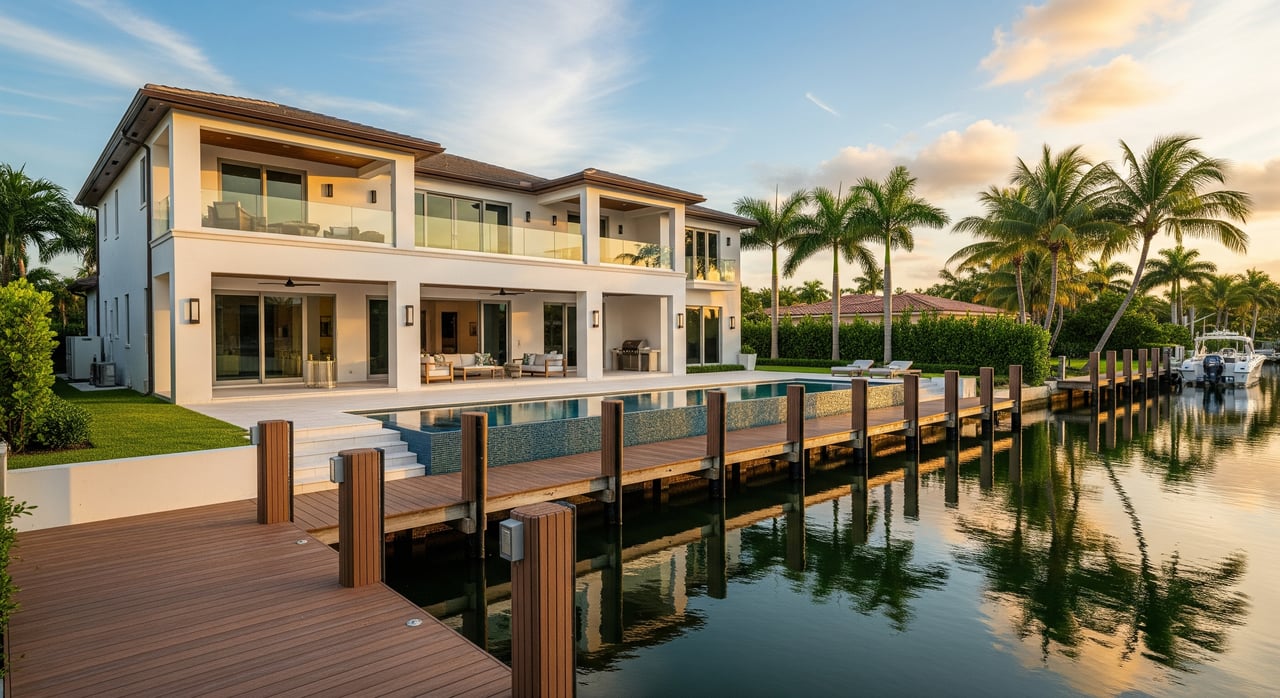
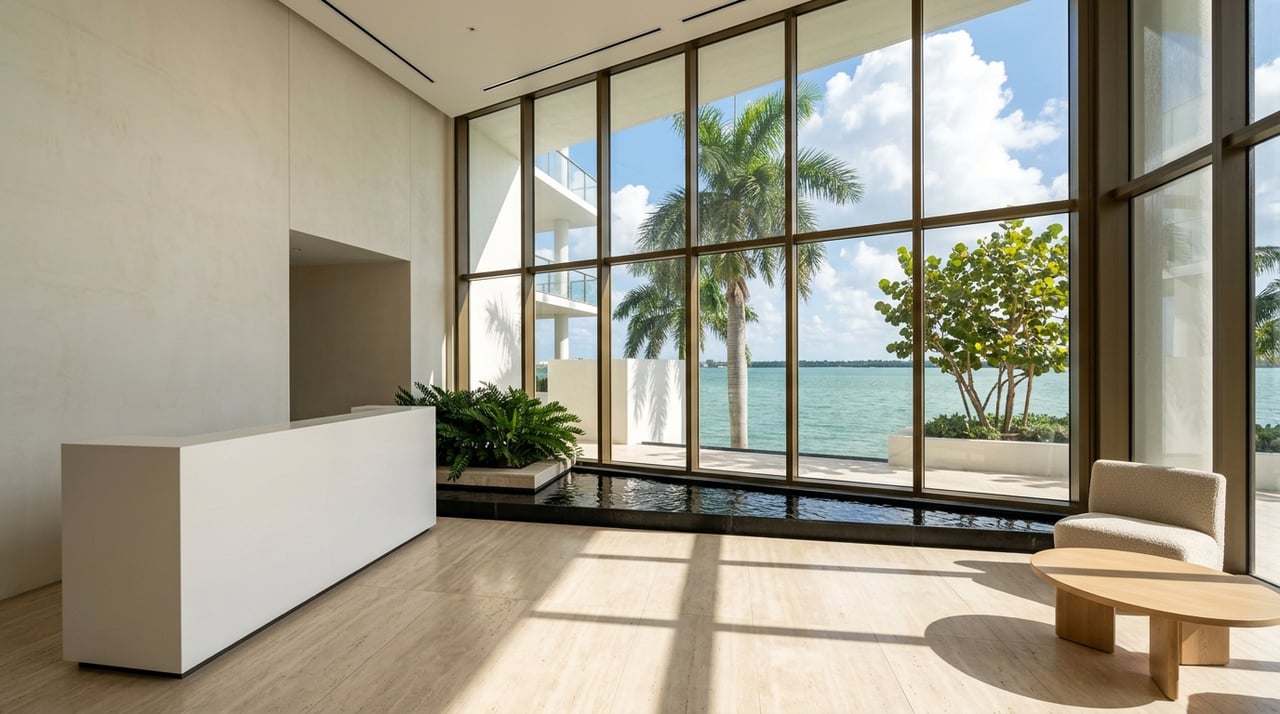
Thinking about selling your Miami Shores waterfront home but not sure where to start? You’re not alone. Waterfront buyers look past countertops and paint to ask about dock depth, bridge clearance, and seawall condition. In this guide, you’ll get a clear, step-by-step plan to prep, price, and market your home for peak-season buyers while showcasing the boating lifestyle. Let’s dive in.
Know your buyer and season
Miami Shores draws several buyer types: boating enthusiasts seeking easy access to Biscayne Bay, seasonal residents escaping colder climates, local move-up or downsize buyers, and a share of international buyers. Each group values water access and low-friction ownership. Your plan should highlight those advantages.
South Florida’s peak season runs roughly November through April. If you want to maximize exposure, aim to hit the market between October and January. Start pre-market preparation about 6 to 12 weeks before your target date. That timeline gives you room to complete marine inspections, assemble documents, and create strong marketing assets.
Waterfront homes generally command a premium over inland properties in Miami-Dade. The exact premium varies by access to open water, dock capacity, seawall condition, and proximity to amenities. Use the most recent local market data and nearby waterfront comps to calibrate your price.
Pre-market checklist
Inspect marine and structural systems
- Seawall and bulkhead: Look for leaning, settlement, timber rot, or concrete spalling. Arrange a recent inspection or obtain a contractor estimate if issues exist.
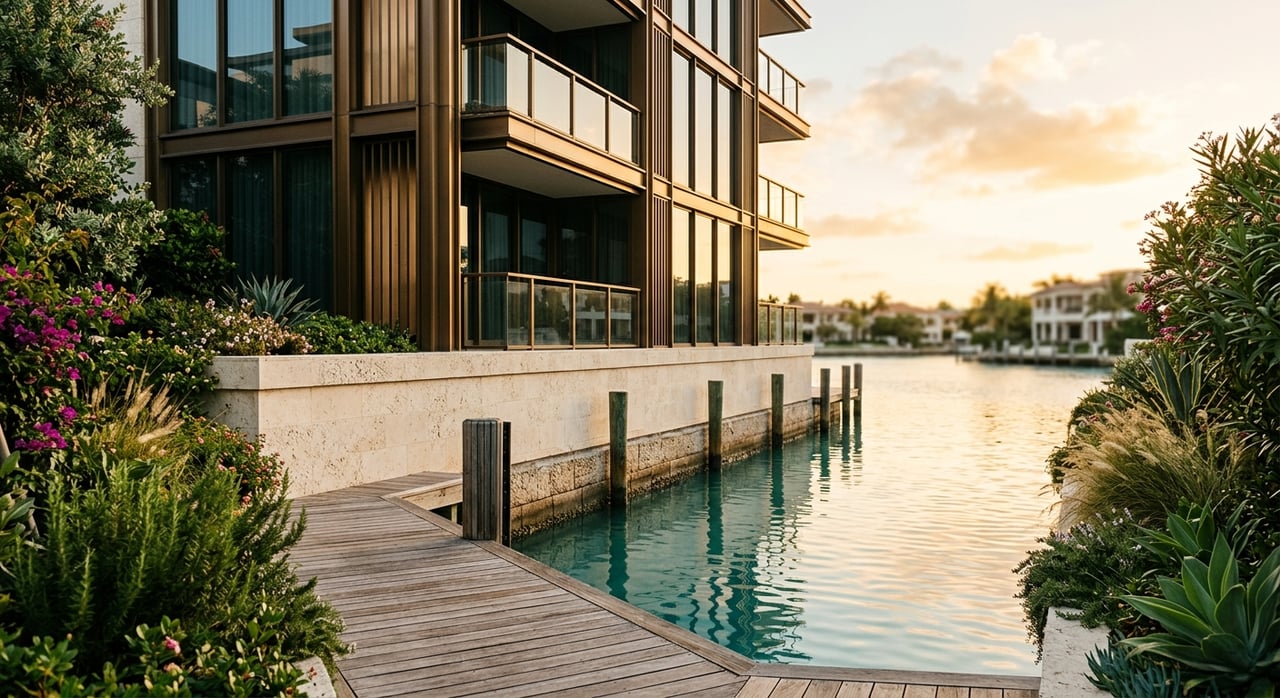
- Dock and pilings: Confirm safety and capacity. Note electrical, lighting, cleats, ladder condition, and whether a boat lift is present. Document rated load and any known defects.
- Water depth and access: Get a recent soundings check if possible. Document draft limits at mean high and low tide, and note nearby fixed bridges and clearance.
- Erosion and drainage: Check grading and any signs of standing water that could affect runoff into the canal.
- Building systems: Evaluate roof, HVAC, plumbing, and electrical. Salt air can accelerate corrosion in coastal homes.
- Environmental items: Note any past contamination, mangrove trimming, or encroachments that affect the shoreline.
Permits and compliance
- Dock, lift, and seawall permits: Verify permits and compliance with Miami Shores Village and Miami-Dade rules. If you plan repairs, check whether state or federal approvals are required for work waterward of mean high water.
- Riparian rights and easements: Confirm recorded rights, any shared slips, and access limits. Identify deed restrictions or local rules that affect boat storage, dock use, or quiet hours.
- Code compliance and disclosures: Review local ordinances related to shoreline, vegetation, and structures. Prepare seller disclosures on property condition, known material defects, flood history, and any encroachments that affect waterfront use.
Insurance and flood documentation
- Flood zone: Obtain your current FEMA flood zone designation and, if available, an elevation certificate. These help buyers evaluate flood risk and potential insurance.
- Insurance: Expect flood insurance and windstorm coverage to be part of buyer diligence. Gather current premiums and any mitigation credits, such as hurricane shutters or roof tie-downs. A wind mitigation report can help.
- Long-term risk: Southeast Florida faces sea level rise over time. Many buyers consider elevation and local adaptation efforts as part of their decision-making.
Gather your documents
- Seawall and dock inspection report, or contractor estimate
- Elevation certificate, if available
- Copies of permits for dock, boat lift, and seawall
- Insurance declarations and recent premiums
- Recent survey showing waterline, easements, and lot boundaries
- Seller disclosures for flood history, repairs, or encroachments
Price by water access, not just square footage
Access tiers
Categorize your property’s water access before setting price:
- Tier A: Direct, unobstructed access to Biscayne Bay or the Atlantic with deep-water docking and no fixed-bridge limits.
- Tier B: Bay-accessible canal with limited bridge clearance and moderate travel time to open water; medium dock depth and possibly a boat lift.
- Tier C: Shallow or narrow canal with restricted navigation or seasonal limitations that favor smaller craft.
- Tier D: Waterfront parcel with non-navigable access or view-only frontage.
Features that move value
Premium drivers:
- Deep-water dock that supports larger vessels
- Direct access to Biscayne Bay or minimal travel time to open water
- High-capacity private boat lift
- Newer seawall and private dock
- Larger lot or unobstructed water views
- Proximity to marinas and lifestyle amenities
Value detractors:
- Low water depth or tight bridge clearance
- Aging or failing seawall
- Shared or missing dock
- Recorded easements that limit private use
- Significant maintenance needs or flood history
Build your comp set around recent sales on the same canal or waterway. Adjust for dock capacity, depth, seawall condition, lot size, interior condition, and time on market. Per-square-foot is helpful, but waterfront value often reflects land and water amenities as much as interiors.
Appraisal and financing
Appraisers prefer comparable sales with similar access and dock capability. Unique features like a large private lift or rare deep-water frontage can add appraisal variability. To reduce risk, be ready with documentation that shows local demand, comps, and the value of your water access. If you anticipate a high level of uniqueness, discuss appraisal gap strategies early.
Time your launch
To capture peak-season demand, align your go-live between October and January. Work backward 6 to 12 weeks to schedule inspections, complete priority repairs, and produce media. Consider a brief “coming soon” period to alert brokers who work with seasonal and boating buyers.
Market the boating lifestyle
Create assets buyers value
- High-quality photography: Feature waterfront angles, dock details, and lifestyle shots. Twilight images can showcase the water beautifully.
- Drone aerials and video: Show the canal route to open water and the neighborhood context. Follow FAA rules and safety guidelines.
- Video boat tour: Record a short boat run from the property to Biscayne Bay. Note estimated travel times and any bridge clearances.
- Floor plans and walkthroughs: Many waterfront buyers want clear spatial information before traveling.
- Map overlays: Annotate boat travel times to marinas, restaurants, and beaches.
- Documentation pack: Provide the elevation certificate, marine inspections, permits, and insurance history to reduce friction.
Target the right channels
- MLS and local broker networks for broad exposure
- Boating and luxury audiences via yacht club boards, local boating groups, and niche platforms
- Social media and targeted ads that reach boating enthusiasts and seasonal buyers in key northern markets
- Broker opens with outreach to agents who specialize in waterfront clients, plus private boat tours for qualified prospects
- International broker outreach where the property merits it
- Email campaigns and local lifestyle publications for added reach
Messaging that converts
- Access specifics: State whether the canal connects directly to Biscayne Bay, estimated travel time to open water, draft limits, and nearest fixed bridges.
- Lifestyle: Proximity to parks, beaches, dining, and downtown Miami.
- Practical proof: Recent seawall or dock work, boat lift capacity, elevation certificate, and flood insurance costs if you choose to share them.
When you share travel times, note that estimates vary with tide, bridge openings, vessel draft, and conditions.
Showings, negotiations, and closing
Showings and safety
- Provide clear dock access instructions and safety guidelines.
- Require pre-qualification for private boat showings and confirm liability coverage before anyone boards a vessel.
- Share tide and seasonal limitations so buyers can plan visits.
Negotiation variables
- Inspections: Expect marine and seawall inspections. Be prepared to negotiate repairs or credits if issues arise.
- Appraisal: Unique waterfront features can challenge appraisals. A pre-listing appraisal or broker price opinion can reduce surprises.
- Contract terms: Escalation clauses and tight timelines are common in peak season. Manage financing contingencies and allow time for any permit or slip transfer steps.
Closing and handover
- Transfer permits and any warranties for recent dock or seawall work.
- Provide surveys that show dock location and easements.
- Clarify the rules and transferability of any slip or harbor assignments.
- Coordinate insurance transitions, especially around hurricane season or before December when many seasonal buyers arrive.
Your 8–12 week timeline
-
8–12 weeks before listing:
- Order seawall, dock, structural, and roof inspections.
- Gather permits, surveys, elevation certificate, and insurance documents.
- Decide on repairs versus credits and schedule approved work.
-
4–8 weeks before listing:
- Complete priority repairs and mitigation.
- Book professional photos, drone, video, and a boat tour recording.
- Build marketing materials and a targeted broker outreach list.
-
1–2 weeks before listing:
- Final staging, decluttering, and landscaping. Ensure the dock is tidy and safe.
- Upload or organize your document pack for quick buyer access.
-
Launch and active market:
- Go live on MLS and run targeted campaigns.
- Host broker and public open houses. Offer private boat tours to qualified buyers.
- Respond quickly to requests for marine reports, permits, and insurance details.
Ready to sell with confidence?
A Miami Shores waterfront sale rewards preparation. When you combine documented water access, clean permits, a clear pricing story, and lifestyle-forward marketing, you position your home to capture peak-season demand. If you want a tailored plan and concierge execution, connect with top Miami real estate agents at Four Corners Real Estate to Request a Private Consultation.
FAQs
When is the best time to list a Miami Shores waterfront home?
- Peak buyer season is roughly November through April, so aim to go live between October and January after 6–12 weeks of preparation.
What documents should I prepare before listing a canal-front home?
- Assemble marine inspection reports, permits for the dock and seawall, an elevation certificate if available, insurance declarations, a recent survey, and full seller disclosures.
How does bridge clearance and water depth affect value?
- Bridge clearance and depth shape what size boat you can dock and how fast you reach open water, which directly influences buyer demand and price.
Do I need flood insurance to sell my waterfront property?
- Buyers will evaluate flood risk using FEMA zones and elevation data. Many will require flood insurance, so having your elevation certificate and premium history helps.
Should I repair a seawall before going to market?
- If an inspection finds issues, consider repairs or price credits. Having a contractor estimate ready can reduce negotiation friction.
How do private boat tours work during showings?
- Require buyer pre-qualification, confirm safety and liability details, and schedule tours around tides and bridge openings for an efficient experience.