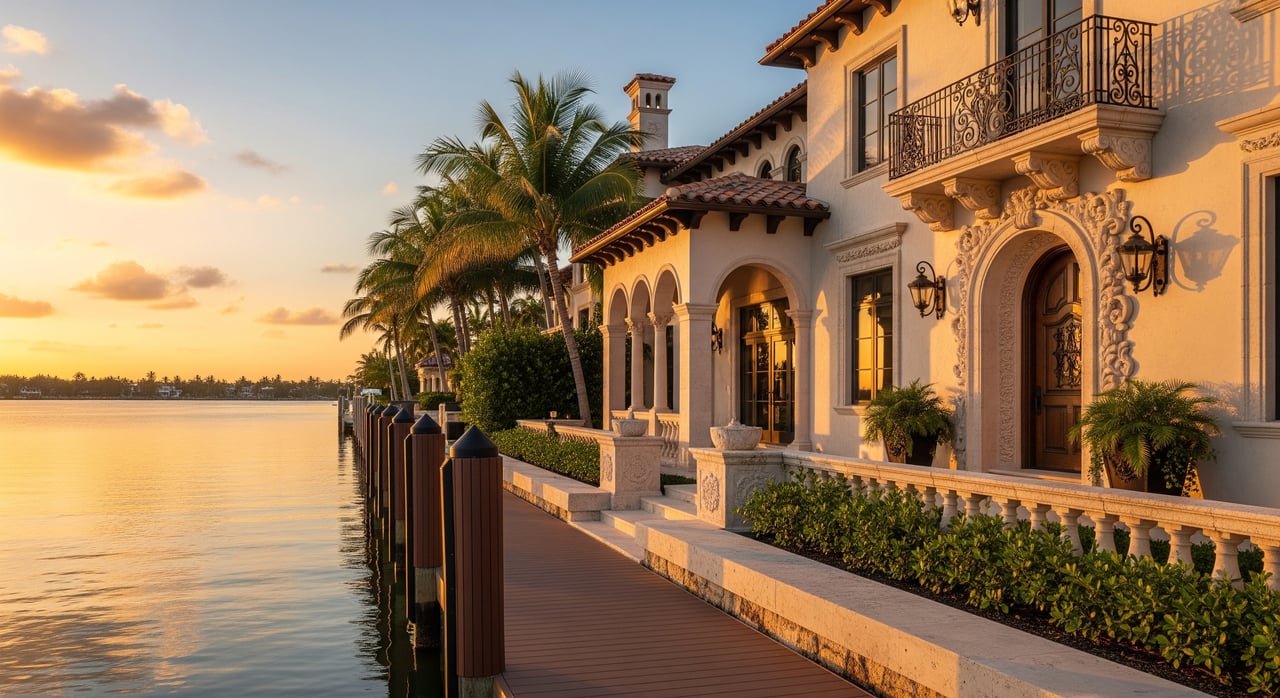
Inside Morningside Miami Waterfront Homes & Lifestyle
February 12, 2026
February 12, 2026
Looking for a quiet waterfront neighborhood that still keeps you close to Miami’s culture and dining? If you want tree‑canopied streets, historic charm, and direct access to Biscayne Bay, Morningside deserves a closer look. You will learn what defines the area, how historic protections shape renovations, what to know about docks and seawalls, and how to assess flood and insurance. Let’s dive in.
Morningside sits along Upper Biscayne Bay in Miami’s Upper Eastside. It is a low‑rise, residential enclave of single‑family homes with mature landscaping and a calm, bayfront feel. You are within a short drive of Midtown, the Design District, Wynwood, and downtown Miami, so daily essentials and nights out are close.
Streets are mostly residential and tree‑lined. Many homes face the bay or sit on bayside lots with seawalls and the potential for private docks. Public transit is limited compared with denser corridors, so most residents use personal vehicles or ride services for daily travel.
Morningside is widely recognized for its early‑ to mid‑20th‑century residential streetscape. Parts of the neighborhood fall under local historic‑district protections, which help preserve contributing buildings, setbacks, and streetscape character. If you plan exterior changes or demolition, expect a review process under the City of Miami’s historic‑preservation rules.
You can learn about local review and certificates of appropriateness through the City of Miami Historic Preservation. To confirm whether a property appears on national registers, consult the National Park Service’s National Register of Historic Places.
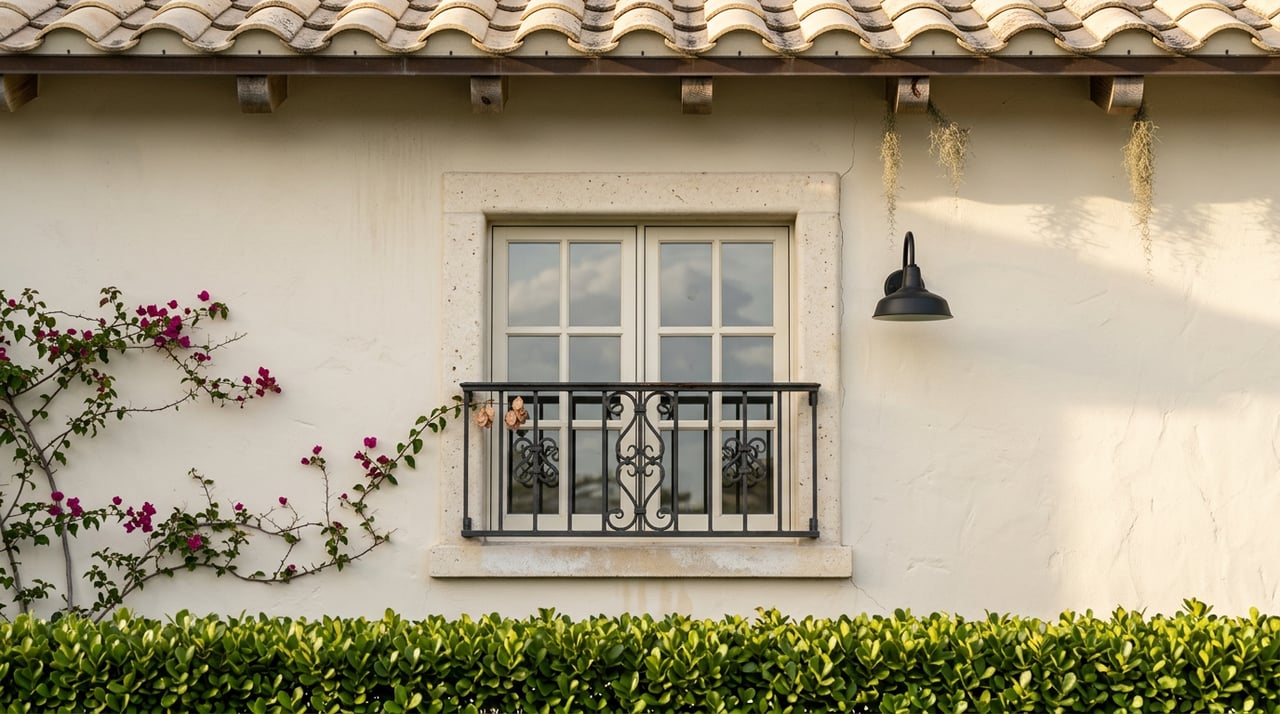
You will see Mediterranean Revival and other early‑20th‑century revival styles with tile roofs, stucco exteriors, porches, and detailed millwork. Homes range from modest historic cottages to expanded or rebuilt bayfront estates. The streetscape’s consistent lot patterns, front setbacks, canopy trees, and low‑rise massing define the area’s visual appeal.
Renovations and expansions can trigger review by the City’s Historic Preservation Board. That can add time and design parameters, which you should factor into your plan and budget. Engage an architect experienced with historic properties early, and confirm the permitted scope before you design.
Before you begin, consider this quick plan:
The bayfront lifestyle is the primary draw. Many parcels include seawalls and potential for private docks, and you can enjoy boating, paddling, and scenic sunrises over the water. The ambiance is quiet and residential, which contrasts with high‑density corridors like Brickell or South Beach while keeping you close to the city’s cultural hubs.
Waterfront improvements typically require multiple approvals. New or rebuilt docks and seawalls can be complex because they touch structural and environmental rules. Expect a coordinated process with overlapping jurisdictions.
Typical agencies and resources include:
Ask sellers for seawall maintenance and permit records. Replacements and structural upgrades can be materially costly, so it helps to evaluate condition and code compliance early.
Morningside is dominated by single‑family homes, and it typically trades at a premium relative to the broader Miami average due to waterfront location, lot sizes, and historic appeal. Remodeled and waterfront properties often command higher prices, while smaller historic cottages may sit at lower absolute price points but still above many inland areas. For up‑to‑date pricing, track MLS activity and reports from the Miami Association of REALTORS®.
Because Morningside fronts Biscayne Bay, flood risk is a core part of due diligence. The area is exposed to tidal flooding, storm surge, and long‑term sea‑level rise. Many owners carry flood insurance through the NFIP or private markets, and premiums vary by elevation, mitigation measures, and claims history.
A practical approach:
You are a quick drive from restaurants, galleries, and retail in Midtown, the Design District, Wynwood, and downtown Miami. Local bayfront parks and greenways add to walkability and outdoor time. Most residents rely on cars or ride services, with access to Biscayne Boulevard and nearby I‑195 and I‑395 for beach and airport trips.
Homes fall within Miami‑Dade County Public Schools boundaries, and area families often consider nearby private school options. Always verify school assignments by address with the district.
Morningside stands out for its combination of modest historic cottages and larger waterfront estates within a quiet, low‑rise grid close to urban culture.
If Morningside’s quiet, historic waterfront lifestyle aligns with your goals, you deserve advisory that balances character, resilience, and value. Our boutique team understands coastal permitting, historic review, and the market factors that move pricing. For a tailored plan and off‑market insight, connect with Four Corners Real Estate.
Stay up to date on the latest real estate trends.
Ready to find your next investment or dream home? Whether you’re building a portfolio or looking for the perfect residence, we’re here to deliver clarity, strategy, and results.