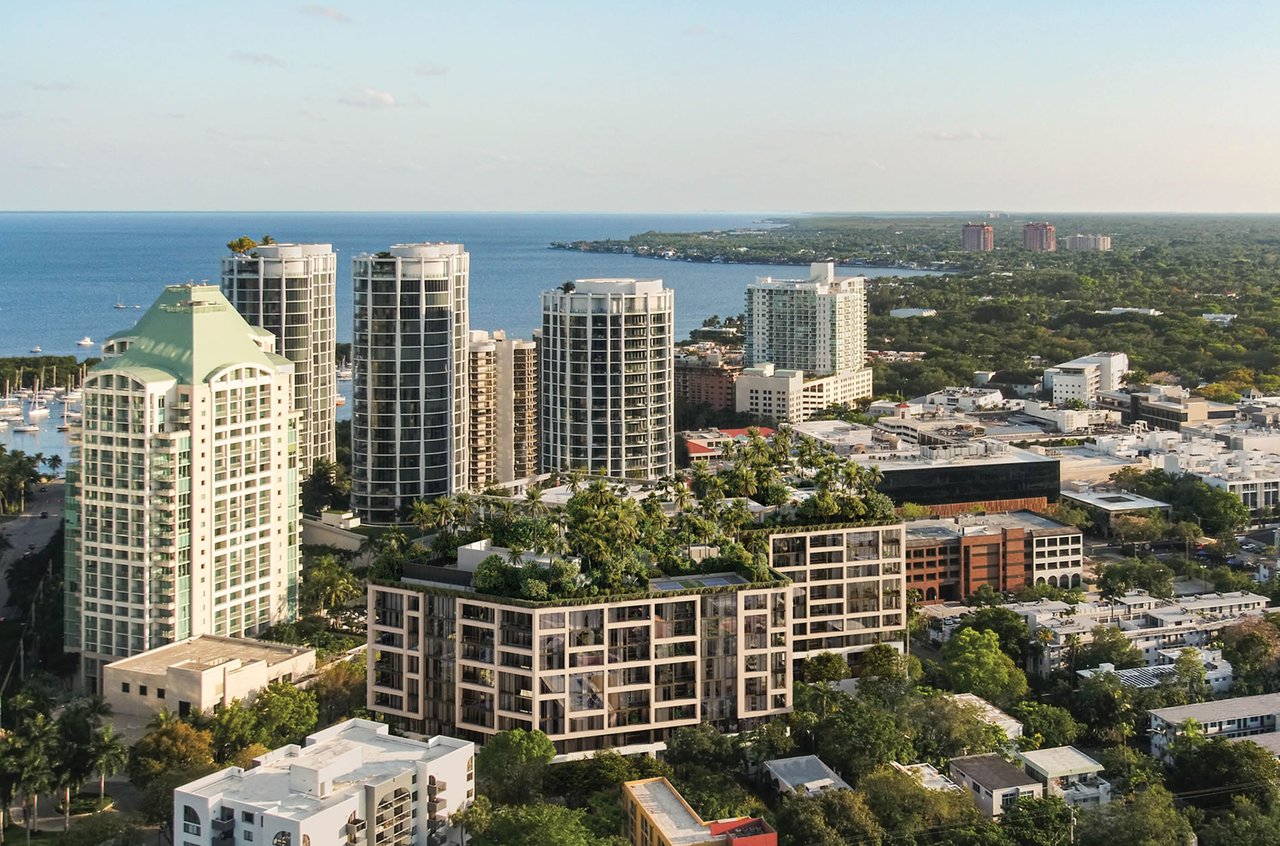
Understanding the True Cost of a Miami Luxury High-Rise
Four Corners Real Estate December 16, 2025
Four Corners Real Estate December 16, 2025
Buying a luxury high-rise condo in Miami involves more than the purchase price. Many buyers focus on the number they see on the listing and overlook the ongoing costs that shape long-term affordability. Luxury buildings provide high levels of service, advanced engineering, and extensive amenities. These benefits come with recurring expenses that buyers should understand before making a commitment. This guide breaks down the real costs of owning a Miami luxury high-rise and offers a clear picture of what to expect.
Closing costs represent the first major expense after the purchase price. Buyers can expect charges for title insurance, lender fees if they are financing, attorney fees, transfer taxes, and prepaid items such as insurance or HOA dues. While each transaction varies, closing costs for Miami luxury condos tend to be higher than single family homes because of additional association requirements. Resale transactions often include standard fees, while new development purchases may involve more building level charges.
New construction buyers face a different set of closing costs. Developers often include impact fees, association setup fees, and reserve contributions. These charges help the building establish initial operating funds and comply with county requirements. Buyers should review the closing disclosure carefully because new construction fees sometimes represent a larger portion of the upfront cost than buyers expect.
HOA fees in luxury high rises cover building operations, staffing, maintenance, security, and amenities. Buildings with full service staff, high grade mechanical systems, and extensive common areas usually have higher monthly dues. Older buildings may have rising fees if they require ongoing repairs or are preparing for major upgrades. Buyers should review the budget and ask how often increases occur.
Condo owners need individual insurance policies that cover the interior of the unit, personal property, and liability. The building’s master policy covers structural components, but owners still need coverage for interior finishes. Depending on the location and construction year, buyers may need additional windstorm or flood insurance. Premiums vary based on elevation, proximity to the water, and the building’s engineering standards.
Miami property taxes are based on assessed value, which often resets when the home is sold. Buyers should expect taxes to increase after purchase, especially if the unit has not changed owners for several years. Newer units with higher valuations carry higher taxes. Understanding the projected tax rate helps buyers estimate annual expenses.
Utilities in a luxury high rise include electricity, water, internet, and any building specific charges. Some buildings use systems such as chilled water or central HVAC that change the cost structure. Other buildings negotiate bulk internet or cable packages that are included in HOA fees. Buyers should ask for a typical monthly statement to understand real usage.
Luxury units require consistent interior upkeep. Owners should budget for maintenance of flooring, appliances, plumbing fixtures, electrical components, and lighting. High end finishes often have shorter replacement cycles, especially in humid coastal environments. These costs vary, but they should be factored into long term planning.
High rises undergo capital improvements such as exterior restoration, pool deck repairs, elevator upgrades, and lobby renovations. Associations fund these projects through reserves and special assessments. Reserve funds help cover predictable expenses, but older buildings or buildings with deferred maintenance may require additional contributions.
Special assessments are one of the most important cost factors that buyers often overlook. Assessments occur when reserves are insufficient to cover major repairs or when new building requirements are introduced. Florida’s updated building safety laws have increased the likelihood of assessments in older structures. Buyers should review past assessments and future planned projects to understand potential costs.
Parking arrangements vary by building. Some buildings include spaces in the purchase price. Others require buyers to lease or buy spaces separately. Valet only buildings often charge service fees. Buyers should review parking rules because they affect daily convenience and long term cost.
Luxury buildings provide extensive amenities, but some services require additional fees. Examples include spa memberships, marina slips, private dining rooms, event spaces, and cabana rentals. These costs are optional but may influence the overall experience of living in a high rise.
High level staffing requires substantial operational funding. Buildings with concierge teams, security staffing, pool attendants, maintenance crews, and management personnel have higher monthly operating costs. This translates into higher HOA fees, but many buyers value the convenience and security that come with full service operations.
Lenders evaluate both the buyer and the building. If a building has inadequate reserves, pending litigation, or structural concerns, financing may become more difficult. This can lead to higher interest rates or more stringent loan requirements. Buyers should understand how building financials affect mortgage qualification.
Selling a condo involves its own set of expenses. Typical costs include real estate commissions, cleaning, staging, minor repairs, and potential capital gains taxes. In competitive luxury buildings, presentation matters. Owners who invest in preparation often achieve stronger resale performance.
Buyers should request the association’s budget, reserve study, and recent financial statements. These documents show whether the building is prepared for future maintenance. Red flags include low reserves, high delinquency rates, and a pattern of frequent assessments.
The age of the building influences both immediate and long term cost. Older buildings may require structural improvements, which can lead to assessments. Newer buildings often carry higher HOA fees because of elevated service levels, but they tend to have fewer near term repair needs.
Higher monthly costs do not always indicate poor value. Buildings with strong management, healthy reserves, and high construction standards often preserve value better. Buyers should evaluate both the financial requirements and the property’s long term performance potential.
Owning a luxury high rise condo in Miami involves ongoing costs that shape the overall financial picture. Understanding HOA fees, insurance requirements, assessments, and building level financials helps buyers make informed decisions. The true cost of ownership includes both monthly expenses and long term obligations, and buyers who take time to understand these elements are better prepared for stable ownership.
Yes. Luxury buildings have higher staffing levels, larger amenity programs, and more complex maintenance needs. These factors increase monthly dues.
It varies. Older buildings with deferred maintenance may see more frequent assessments. Reviewing financial documents provides clarity.
New buildings often have fewer immediate repair needs, but they can have higher HOA fees due to service programs and engineering systems.
Buyers should review the association budget, reserves, engineering reports, and any upcoming projects that may impact cost.
Insurance is a major factor in Florida. Premiums depend on elevation, engineering, and proximity to the water.
If you are considering a luxury high rise purchase in Miami and want guidance tailored to your financial goals and lifestyle preferences, contact a luxury Miami real estate agent at Four Corners Real Estate for a clear assessment and curated property recommendations.
Stay up to date on the latest real estate trends.






Ready to find your next investment or dream home? Whether you’re building a portfolio or looking for the perfect residence, we’re here to deliver clarity, strategy, and results.