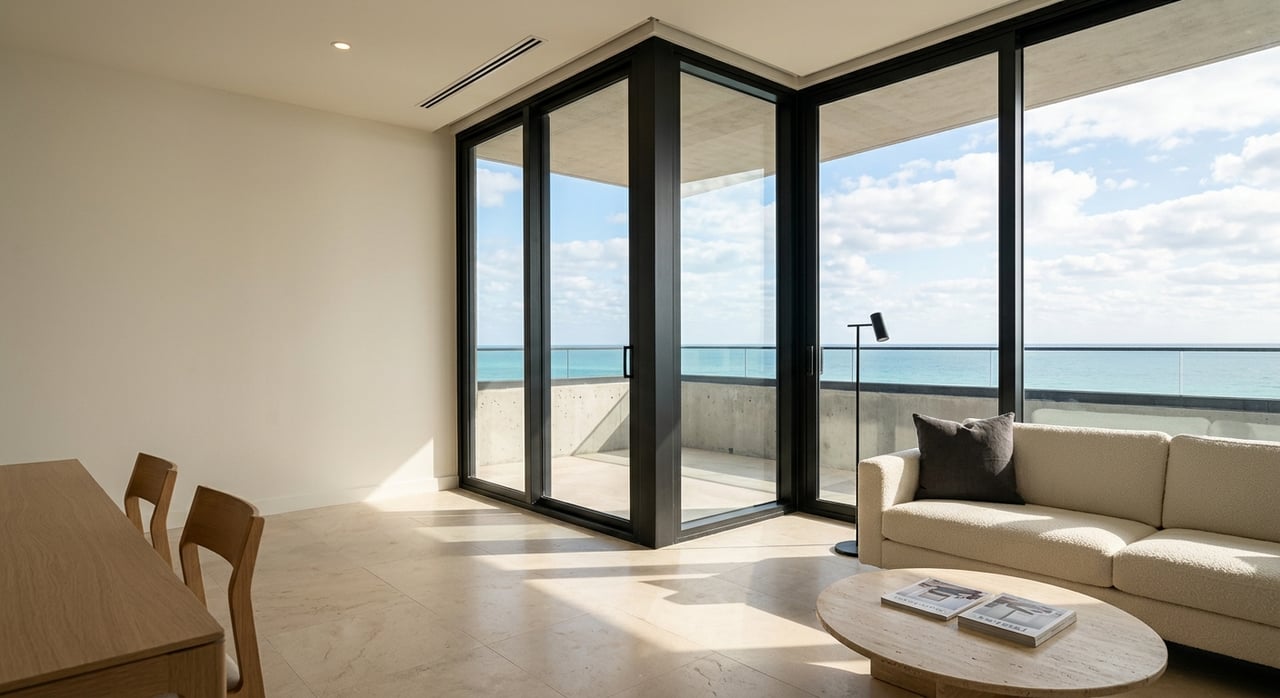
Looking at condos in Bay Harbor Islands or Bal Harbour and not sure which one fits you best? You are not alone. These two neighboring enclaves offer very different flavors of luxury living, from quiet bayfront boutique buildings to full‑service oceanfront towers. In this guide, you will learn how pricing really works here, which buildings and amenities align with your lifestyle, and the key due‑diligence steps that smart buyers and investors take before they write an offer. Let’s dive in.
Bay Harbor vs. Bal Harbour at a glance
Location and daily rhythm
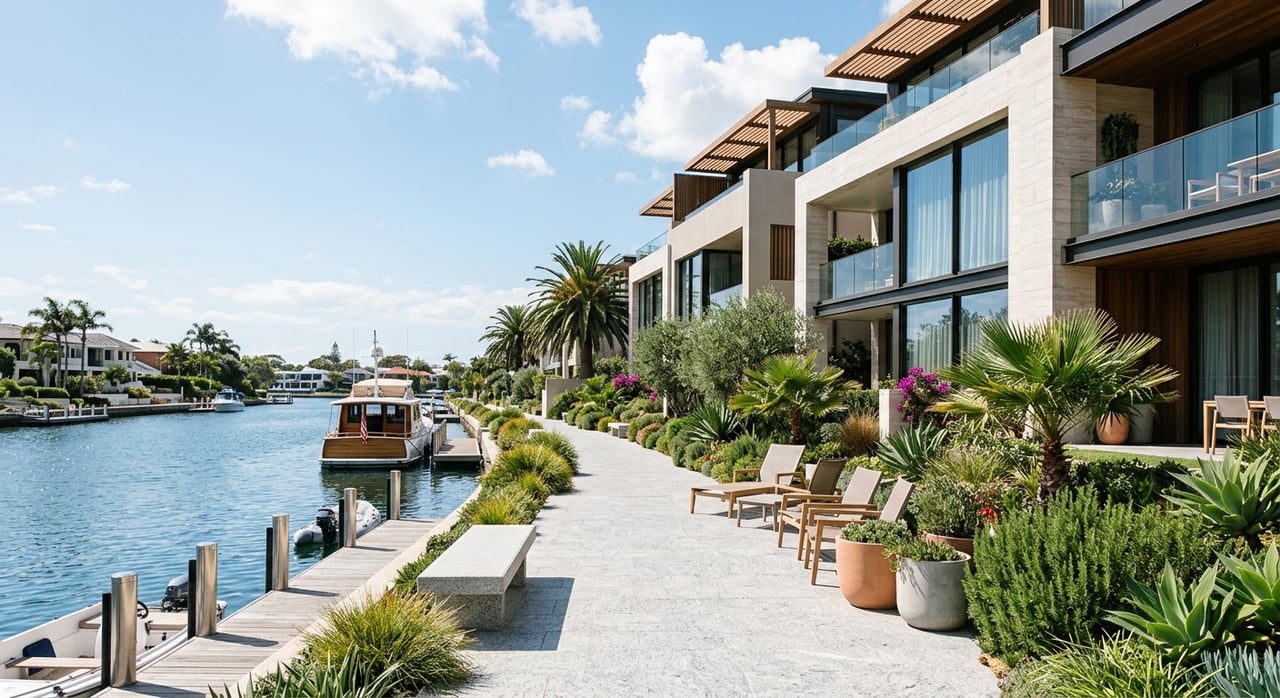
Bay Harbor Islands sits just west of the beach on two compact islands with canals and bay frontage. Streets feel residential in scale with small restaurants and local shops. You are minutes from the ocean and a short hop to flagship retail and dining at the iconic Bal Harbour Shops.
Bal Harbour is an oceanfront village known for high‑amenity towers, private beach service, and easy access to top retail and dining. The energy feels resort‑like, with hotel‑level services and a focus on the shoreline.
Who each area tends to fit
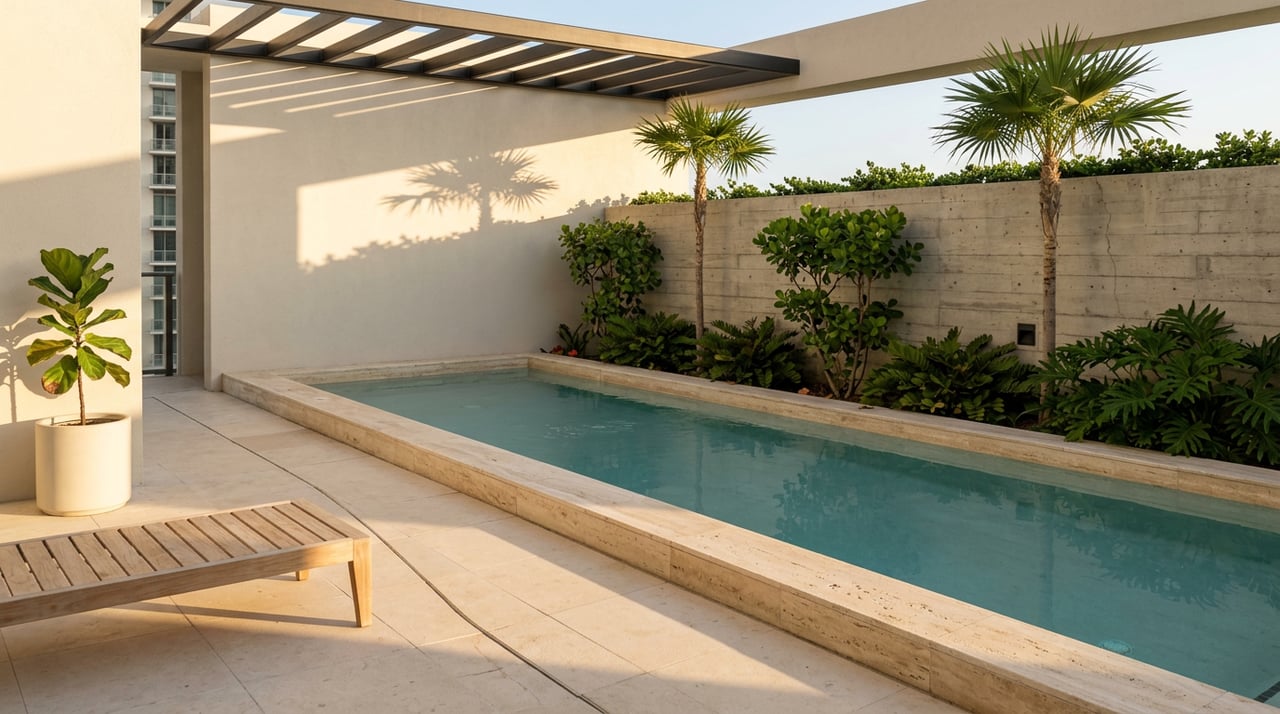
- You want a calm island setting, water access, and a boutique building. Bay Harbor’s bayfront properties often offer docks, rooftop pools, and private elevator entries.
- You want hotel‑style services and direct beach access. Bal Harbour’s oceanfront towers deliver private beach clubs, spa and wellness programs, concierge, and on‑site dining.
- You value proximity to a local K–8 public school. The Ruth K. Broad Bay Harbor K–8 school serves the immediate area. Always confirm current zoning and enrollment details directly with the district.
How pricing really works here
Market medians can look misleading in these small micro‑markets. A handful of sales can swing averages since the area mixes modest condos with ultra‑luxury product.
- Bay Harbor Islands: overall medians recently hovered in the low‑to‑mid six figures. As an example, around January 2026, figures near about $620,000 were reported. That number blends older smaller units with new waterfront residences that list several million, so use it as context rather than a target.
- Bal Harbour (ZIP 33154): broad medians often land in the low‑to‑mid seven figures. The ultra‑luxury segment sits far above that, with regular multi‑million and occasional multi‑tens‑of‑millions trades in top oceanfront buildings.
Supply also matters. Bal Harbour is seeing a rare new beachfront project, Rivage, with pricing that starts in the high single‑digit millions and reaches into the tens of millions for upper floors. Early coverage of the launch shows a penthouse ask above $65 million, a useful signal for future price benchmarks in the village. You can read more in this overview of the Rivage Bal Harbour sales launch.
Demand is supported by a steady mix of domestic and international buyers. According to the latest report from the local association, South Florida continues to rank as a top U.S. market for foreign homebuyers, which helps underpin luxury absorption. See the MIAMI REALTORS® international buyers report for context.
Bottom line, do not rely on a single median. Ask for a comp set by building and line, then layer in new‑development pricing to understand the top of market.
Luxury condo segments to know
Boutique bayfront in Bay Harbor
If you want an island setting with water views and a lower‑key building scale, start here. Typical features include:
- Intimate footprints with limited unit counts
- Private elevator foyers in higher‑end lines
- Rooftop pools, small fitness centers, and bay decks
- Boat slips or docks in select buildings
Representative buildings include Riva Bay Harbor, La Maré, La Baia, and O Residences. As of early 2026, many 3 to 4 bedroom bayfront homes in this segment list in the low‑to‑mid millions, with examples around 2.7 to 3.2 million for larger residences. Signature bay‑villa style units can reach the mid single‑digit millions, with select offerings around 5.5 million. For many buyers, the mix of direct water access and boutique privacy is the draw.
Oceanfront resort towers in Bal Harbour
Bal Harbour’s towers deliver a full resort lifestyle with private beach service, spa and wellness programs, on‑site dining, valet, concierge, and art‑driven common spaces. Hotel‑branded options add hospitality‑grade services that appeal to owners who want turnkey ease.
Representative buildings include Oceana Bal Harbour, The St. Regis, One Bal Harbour, and the forthcoming Rivage. Resales in these towers range widely. Entry ocean‑view residences can start in the low‑to‑mid millions, larger flow‑through homes and sky villas often trade in the 5 to 20 million range, and trophy penthouses can exceed 30 million. Monthly association fees for large residences can run into the many thousands per month, and can exceed 8,000 for substantial floor plans, so include these costs early in your underwriting.
Lifestyle and amenity differences that matter
- Immediate environment. Bay Harbor reads as island‑residential with canals and smaller storefronts. Bal Harbour is compact and resort‑oriented with beach amenities and flagship retail next door.
- Water access. Bay Harbor buildings are more likely to offer docks or canal access. Oceanfront Bal Harbour focuses on beach clubs rather than boat slips.
- Services. Bay Harbor’s boutique buildings emphasize privacy and direct water living. Bal Harbour’s hotel‑level services support a low‑maintenance ownership experience.
A buyer’s due‑diligence checklist
Use this short list to move from browsing to a smart, confident offer.
- Association documents and rental policy. Confirm pet rules, rental minimums, board approvals, and any wait periods. Short‑term policies vary by building and can change. Read the bylaws and rider language before you bid.
- Municipal licensing and taxes. If you plan to operate a vacation or seasonal rental, review each municipality’s rules. Bal Harbour maintains a village business tax and resort tax registration process. Start at the Village of Bal Harbour website for current steps. Bay Harbor Islands issues business tax receipts and handles related licensing. See the Bay Harbor Islands Business Tax Receipt page for details.
- Flood risk, elevation, and insurance. Most properties here sit in FEMA Special Flood Hazard Areas. Ask for the FEMA map panel, any Elevation Certificate on file, and quotes for wind and flood coverage. Miami‑Dade County offers flood resources and guidance on protection and certificates at its flood protection page. For long‑term ownership planning, consult the Southeast Florida Regional Climate Change Compact for regional sea‑level scenarios.
- HVHZ code and product approvals. Miami‑Dade is in the High‑Velocity Hurricane Zone. Impact‑rated windows and doors that carry Miami‑Dade Notices of Acceptance or Florida Product Approvals are the norm. If you are considering an older building or unit upgrades, review standards outlined in this HVHZ product approval primer, then budget accordingly.
- Carrying costs and assessments. Luxury towers often carry significant monthly association fees and periodic special assessments. These costs can change net cashflow assumptions and holding costs, so model them early and review association budgets and reserves.
- Liquidity and comp volatility. These are small markets. A single penthouse trade or a new launch can shift averages. Use building‑level comps and date every reference.
How to choose your building
Follow a simple framework to narrow the field.
- Define use and services
- Primary or seasonal use, or part‑time rental strategy
- Desired service level: concierge daily, or privacy and low traffic
- Beach or boating priority
- Set a working budget by segment
- Bay Harbor boutique bayfront: high six figures for older smaller condos, and roughly 2 to 6 million for many newer 3 bedroom waterfronts, with top villa‑like offerings higher
- Bal Harbour oceanfront: low‑to‑mid millions entry, then 5 to 20 million plus for larger flow‑throughs and sky villas, with penthouses in the tens of millions
- Shortlist specific lines
- Focus on view orientation, bedroom count, private elevator access, and outdoor terraces
- In Bal Harbour, compare amenity programs and fees tower to tower
- In Bay Harbor, confirm boat slip availability and rules
- Underwrite the hold period
- Price history and new‑supply pipeline nearby
- Insurance line items, reserves, and any known capital projects
- Rental policy that fits your plan
- Preview, then verify
- Walk the amenity spaces at different times of day
- Confirm acoustics, elevator wait times, and valet flow
- Ask for association financials, rules, and a list of recent projects
What we are seeing now
- Bay Harbor’s boutique bayfront buildings continue to attract buyers who want direct water access and a quieter scale. New construction has pushed the top end with select villa‑style offerings in the mid single‑digit millions.
- Bal Harbour’s oceanfront towers remain a destination for ultra‑high‑net‑worth primary and seasonal buyers. Oceana, The St. Regis, and One Bal Harbour continue to set the tone for services and views. Rivage introduces fresh beachfront supply at the top of the market, which will influence future comps once homes deliver.
- International demand remains a durable support for pricing, according to the regional association’s latest data.
If you want help matching your lifestyle and investment goals to a building and a line, we will build a tailored plan with current comps, off‑market options, and a clean due‑diligence path.
Ready to tour the right properties with a clear strategy? Connect with Four Corners Real Estate to Request a Private Consultation.
FAQs
What is the main difference between Bay Harbor Islands and Bal Harbour for condo buyers?
- Bay Harbor offers boutique bayfront living with potential dock access and a quieter residential scale, while Bal Harbour focuses on oceanfront towers with hotel‑grade services and private beach amenities.
How much do luxury condos cost in Bay Harbor and Bal Harbour today?
- Bay Harbor 3 bedroom bayfront homes often list around 2 to 6 million, while Bal Harbour oceanfront residences typically start in the low‑to‑mid millions and can run from 5 to 20 million plus, with penthouses far higher.
Are short‑term rentals allowed in Bal Harbour or Bay Harbor Islands condos?
- Practices vary by building. You must verify association bylaws and, if permitted, comply with municipal registration and taxes through Bal Harbour or Bay Harbor Islands.
Is flood insurance required for condos in these areas?
- Many properties are in FEMA Special Flood Hazard Areas, so confirm with your lender and insurer, review any Elevation Certificate, and obtain wind and flood quotes before you close.
Which area is better if I own a boat?
- Bay Harbor Islands is often the better fit because select buildings offer docks or canal access, while Bal Harbour prioritizes beach amenities over boat slips.
What new luxury developments could impact Bal Harbour pricing?
- Rivage Bal Harbour is a new beachfront project with pricing from the high single‑digit millions into the tens of millions, which will set fresh comps once delivered.